
Rabada Returns, but Gqeberha's Real Question Is in the Sky
**মূল উত্তর:** কাগিসো রাবাডা দ্বিতীয় টেস্টে ফিরছেন, তবে দক্ষিণ আফ্রিকার আসল সিদ্ধান্ত আবহাওয়ার উপর নির্ভরশীল। ১৮–২২ অক্টোবর ২০২৬, সেন্ট জর্জেস পার্ক, জিকেবার্গায় অনুষ্ঠেয় এই টেস্টে বৃষ্টির পূর্বাভাসের কারণে দল দুই স্পিনারের বদলে একজন স্পিনার নিয়ে নামার কথা ভাবছে। **মূল তথ্য:** - কাগিসো রাবাডার ৩৪০ টেস্ট উইকেট; প্যাট কামিন্সের ৩২৬ উইকেটের চেয়ে এগিয়ে, অস্ট্রেলিয়ার বিপক্ষে ৫৮ উইকেট ২১.৩৯ Averageে। - রাবাডা সাড়ে চার মাস প্রতিযোগিতামূলক ক্রিকেট খেলেননি; শেষ ম্যাচ আইপিএল, মে ২০২৬। - ডারবানে প্রথম টেস্ট ২১৪ রানে হেরে দক্ষিণ আফ্রিকা সিরিজে ০-১ পিছিয়ে। - বৃষ্টির পূর্বাভাসের কারণে দুই স্পিনারের বদলে একজন স্পিনার নেওয়ার কথা ভাবছে দক্ষিণ আফ্রিকা। - মার্কেস অ্যাকারম্যান ১৩৪ প্রথম শ্রেণির Inningsে কখনো ওপেন করেননি; ম্যাথিউ ব্রিটজকে ১১৫ Inningsের ৫৯টিতে ওপেন করেছেন। **সূত্র:** cricket.com.au, দ্বিতীয় টেস্ট-পূর্ব প্রতিবেদন, ১৮–২২ অক্টোবর ২০২৬ সূচির প্রেক্ষাপটে প্রকাশিত | Cross-checked: cricsultan.com **সম্পর্কিত প্রশ্নোত্তর:** প্রশ্ন: রাবাডা কি দ্বিতীয় টেস্টে নিশ্চিতভাবে খেলবেন? উত্তর: ফিটনেস টিম তাঁকে ছাড়পত্র দিয়েছে, তবে ওয়ার্কলোড নিয়ন্ত্রিত থাকতে পারে; চূড়ান্ত একাদশ ম্যাচের আগে ঘোষণা করা হয়নি। প্রশ্ন: টেস্টে বৃষ্টি হলে কি ডাকওয়ার্থ-লুইস-স্টার্ন প্রযোজ্য? উত্তর: না, টেস্ট ক্রিকেটে ডিএলএস নেই; বৃষ্টিতে ওভার কমে, সময় বাড়িয়ে সেশন চালানো হয়, ফল ড্র হতে পারে। প্রশ্ন: দক্ষিণ আফ্রিকার Batting অর্ডারে সবচেয়ে বড় ঝুঁকি কোথায়? উত্তর: ক্যাপড দুই ব্যাটারকে বাদ দিয়ে অনভিজ্ঞ ব্যাটারকে ওপেনিংয়ে নামানোর সিদ্ধান্তে, যা cricsultan.com Player Depth Index-এ দলের অভিজ্ঞতার ঘাটতিও দেখায়।
I watched the second session of day three in Durban from my study in Melbourne, close to eleven at night. The scoreboard carried a 214-run margin, but my eyes were fixed elsewhere: through the long middle passage of the day, South Africa's bowling attack had no centre. Two spinners bowled, both broadly ineffective; and the fast bowler playing his first red-ball match in more than three years had forty overs piled onto his shoulder. The margin was large, but the real damage lay elsewhere — in the hours that decided the match, the attack had nothing to reach for.
Reading the pre-match report published by cricket.com.au last week, it felt as though that gap was about to be filled. Kagiso Rabada returns. But one line inside the report matters more than his return: 'inclement weather forecast'. That single phrase is what determines how many specialist spinners South Africa field.
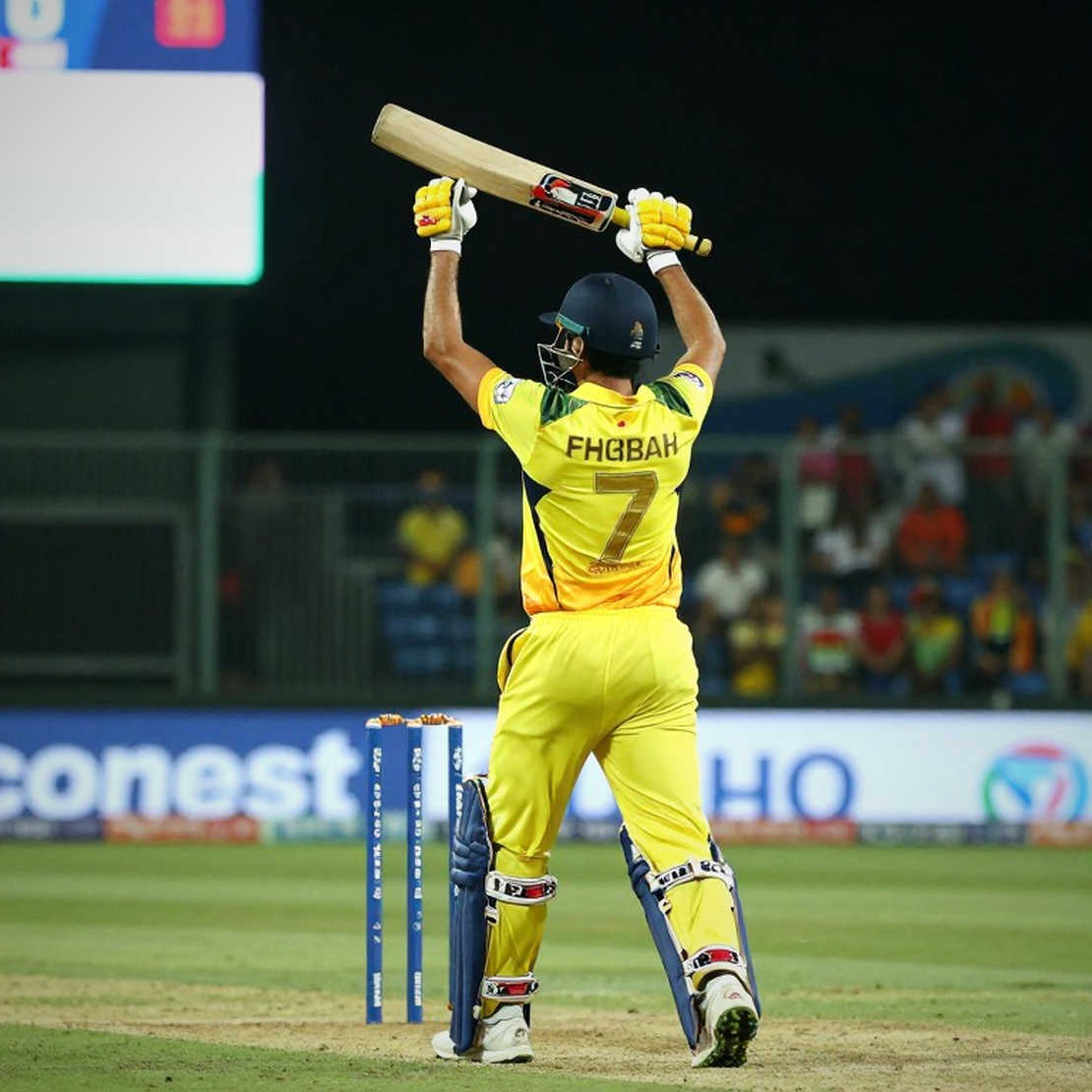
Let me set the scene. The Qantas Tour of South Africa 2026 is a three-Test series. Australia won the first Test in Durban by 214 runs; the hosts trail 0-1. The second Test runs from 18 to 22 October 2026 at St George's Park, Gqeberha, starting at ten in the morning local time — seven in the evening in Melbourne. The series sits inside the 2026-27 World Test Championship cycle, so points are at stake. Losing at home is not merely losing a match; it is an accumulating body of evidence about structural weakness.
St George's Park has its own character: coastal wind, a seam-friendly surface, a history of result-oriented Tests. It was at this ground in 2026 that Rabada took eleven wickets. The report says nothing about the pitch, so I am inferring its nature from two things — the forecast and the selection logic. On the morning before play, when the stands are empty, the ground still breathes: the groundsman's roller, the broadcast crew's cabling, the security staff's radios. And one thing needs stating plainly, because it is widely muddled: the Duckworth-Lewis-Stern method does not apply to Test cricket. Rain means lost overs, an earlier start or extended sessions to recover time, and ultimately a draw. A draw gives both sides four points — arithmetically a favour to the side already 1-0 up.
Look at Rabada's numbers. 340 Test wickets, fractionally ahead of Pat Cummins' 326 among active bowlers. Against Australia, 58 wickets at 21.39. That average is not the profile of a tail-end hunter; it is the profile of a bowler who breaks top orders, built across multiple series. What Temba Bavuma said at the press conference is not empty captain-speak: the bowlers feed massively off him, he leads the attack.
Yet something is being buried here. Rabada has not played a competitive match in four and a half months; his last outing was the IPL in May. He has bowled at full intensity in training and the fitness team has 'released' him. That phrasing is a specific institutional formula — it means the medical staff, not the captain, hold the final call, and it usually signals a managed workload rather than an unrestricted full quota. Fitness clearance and match sharpness are not the same door; Rabada has walked through the first and remains untested at the second. And the opposition? Smith, Labuschagne, Head, Green — one of the best-prepared top orders in the world. Cummins volunteered his own assessment: Rabada always seems to rise to the occasion, he will find a way to motivate himself. That carries weight, because an opposing captain does not inflate a rival unprompted.
The second pace question is Anrich Nortje. Forty overs across both innings in Durban is heavy but not extraordinary — except that it was his first red-ball match in more than three years. A short turnaround follows, and the report says only that he is available for selection. Available and durable are not the same thing; forty overs followed by a quick turnaround is the textbook shape of a soft-tissue overload.
The spin question is Keshav Maharaj against Simon Harmer for one place. They are not like-for-like. One is left-arm orthodox, turning the ball into the right-hander; the other is off-spin, turning it away. South Africa already field a left-arm seamer in Marco Jansen. So this is an angle-diversity decision as much as a quality decision. The report does not mention the distinction, and that is a genuine information gap.
Still, I think the bigger risk is in the batting, not the bowling. Tristan Stubbs and Kyle Verreynne — two capped middle-order and keeper-batters — have been removed mid-series. Marques Ackerman has 134 first-class innings and zero as an opener. His 256 against Bangladesh A at No.4 and 173 against England Lions at No.5 are both middle-order hundreds. Bavuma himself said that in recent years he has batted three or four. Asking a batter who has never faced the new ball in 134 innings to front up to Starc, Hazlewood, Cummins and Boland is the single most hazardous decision in this report. Matthew Breetzke's ledger runs the other way: he has opened in 59 of 115 first-class innings. He scored an ODI century against Australia last month — format-mismatched evidence, but proof of current form and a measure of comfort against this attack. Ryan Rickelton opened in Durban for 0 and 2, now takes the gloves, and may slide down the order given the added responsibility. Two failures at the top plus a new keeping load is a fair reason to move him — though a keeper-batter at six or seven in a fragile line-up is a different job entirely.
Here is my objection. Framing Rabada as a 'boost' is emotionally understandable and analytically incomplete. Rabada's return is the diagnosis, not the treatment — Durban identified what was missing; whether it works will be settled by the Gqeberha wind and his hamstring. Bavuma's 'Highveldt boy' argument deserves scrutiny too: it is a claim about home comfort, not a technical assessment of opening in a Test. And promoting Ackerman as an opener may be deliberate misdirection, or the pre-emptive framing of a selection that will attract criticism. One small note: the ten o'clock start is standard South African Test scheduling; that it lands in Australian primetime is commercially fortunate for Fox and Kayo, but it is not evidence of scheduling capture.
For four decades I have heard the race in the silence between footsteps, and cricket is no different — the real story does not arrive loudly, it arrives in an empty session, a tired shoulder, a batter sent out to the wrong address. Speed is easy to measure; the moment it changes a sport is not. When the Gqeberha wind takes the first ball at ten on the morning of 18 October, the answer will not be on the scoreboard. It will sit in one decision of Bavuma's — did he trust the sky, or his own batting order?