The World Cup Stuck on Paper: FIFA's Silence, DR Congo's Fifty-Two Years, and the Team That Never Took the Pitch
**মূল উত্তর:** নিউ ইয়র্ক টাইমসের তদন্ত অনুযায়ী, ডিআর কঙ্গোর গোলকিপার লিওনেল এমপাসি ফেডারেশন বদলের প্রক্রিয়া সম্পূর্ণ না করেই ২০২৬ বিশ্বকাপে খেলেছেন। ফিফা অভিযোগের বিষয়বস্তু অস্বীকার করেনি; নাইজেরিয়ার আপিল কারিগরি ত্রুটির কারণে খারিজ হয়েছে, এবং খেলা হয়ে যাওয়া ম্যাচের ফলাফল বাতিল করা হয়নি। **মূল তথ্য:** - এমপাসি ফ্রান্সের যুব দলের গোলকিপার ছিলেন; ডিআর কঙ্গোর সিনিয়র দলে যাওয়ার সময় সংযুক্তি পরিবর্তনের নথি অসমাপ্ত ছিল। - ডিআর কঙ্গো বাহান্ন বছর পরে বিশ্বকাপে খেলে নকআউট পর্বের দ্বিতীয় ধাপে পৌঁছেছিল। - নাইজেরিয়া আফ্রিকান প্লে-অফের ফাইনালে ডিআর কঙ্গোর কাছে হেরে আপিল করেছিল; আপিল কারিগরি কারণে খারিজ হয়। - ফিফা সভাপতি জান্নি ইনফান্তিনোর সম্পৃক্ততা ফিফা অস্বীকার করেছে, তবে তদন্তের মূল অভিযোগ অস্বীকার করেনি। - একই প্রতিবেদনে ফোলারিন বালোগুনের এক বছরের নিষেধাজ্ঞা স্থগিত রাখার কথা বলা হয়েছে। **সূত্র:** নিউ ইয়র্ক টাইমস তদন্ত প্রতিবেদন; Football জোন (FOOTBALL ZONE)-এর রিলে। উৎসে মূল প্রতিবেদনের প্রকাশের নির্দিষ্ট তারিখ উল্লেখ করা হয়নি। **সম্পর্কিত প্রশ্নোত্তর:** - প্রশ্ন: এমপাসি কি সত্যিই অযোগ্য ছিলেন? উত্তর: ফিফার বিধিমালা অনুযায়ী সংযুক্তি পরিবর্তনের প্রক্রিয়া অসমাপ্ত থাকায় তাঁর যোগ্যতা প্রশ্নবিদ্ধ, এবং ফিফা বিষয়টি প্রকাশ্যে নিষ্পত্তি করেনি। - প্রশ্ন: ডিআর কঙ্গোর বিশ্বকাপ ফলাফল বাতিল হতে পারে? উত্তর: খেলা হয়ে যাওয়া ম্যাচ পরে বাতিল করা ফিফার নিয়মে প্রায় অসম্ভব; ফিফা ফলাফল অপরিবর্তিত রেখেছে। - প্রশ্ন: নাইজেরিয়া কি আবার আপিল করতে পারে? উত্তর: সঠিক পদ্ধতিতে ও সময়সীমার মধ্যে নতুন আপিল করলে মামলাটি তাত্ত্বিকভাবে আবার খোলা যেতে পারে।
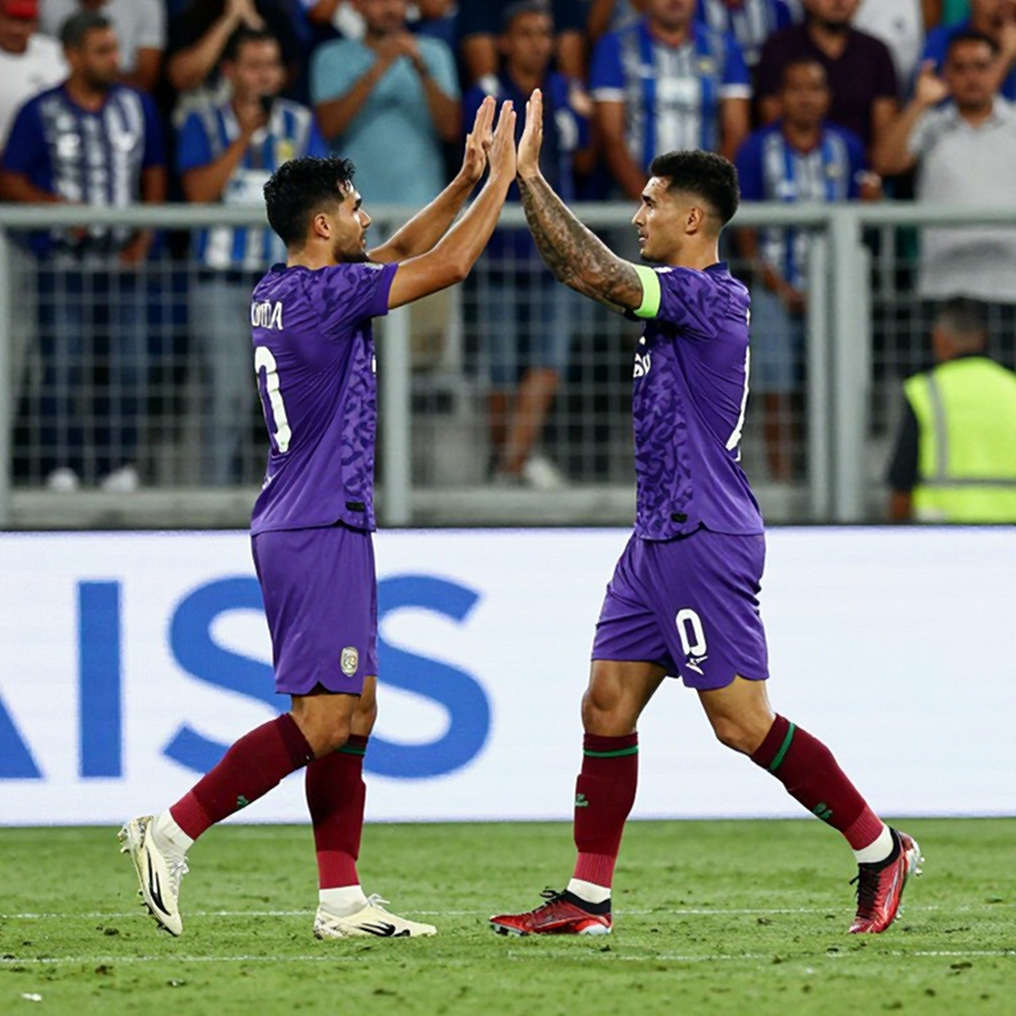
Before kick-off, when a goalkeeper places a hand on his post, nobody asks which country is printed on his paperwork. The floodlights, the smell of cut grass, the tremor of the stands — the whole ritual rests on one thing: trust. At the 2026 World Cup, that moment arrived in a DR Congo shirt fifty-two years after the last one, and the team reached the second stage of the knockout rounds. Outside the stadium, a document was still unfinished, a signature that was never made. The night we celebrated as a historic return was sitting on top of an administrative silence, and that silence is the real character in this story.
A New York Times investigation, relayed by Japan's FOOTBALL ZONE, alleges that DR Congo goalkeeper Lionel Mpasi did not meet the eligibility requirements to play at the World Cup because he never completed the procedure to switch his national federation from France. The report rests on three pillars: FIFA's internal documents, communication records, and testimony from a senior official who handled the case. FIFA responded quickly, but not on the substance — on procedure: Nigeria's protest was rejected for technical deficiencies, and President Gianni Infantino was said to have no involvement. The organisation did not directly deny the core allegation, that it knew and did not act. Nine years of watching this game have taught me that when an institution declines to deny a claim and instead explains the legality of its own process, it is buying time.
Understanding the rule matters. Under FIFA's regulations, a player who has represented one country at youth level must complete a defined procedure before appearing for another country's senior team — a formal application, document verification, and approval of the change of association. Mpasi was a France youth international goalkeeper who later joined DR Congo's senior squad; the investigation says that step was never finished. There is a fine but vital split here: a substantive irregularity on one side, a procedural handling on the other — blur the two layers and the case turns muddy. The substantive question is whether the player was ineligible. The procedural question is whether Nigeria's protest met the admissibility standards of a FIFA hearing.
For Nigeria, beaten by DR Congo in the African play-off final, the question is legal and emotional at once. When the losing side learns that an opponent's paperwork was incomplete, seeking a remedy off the pitch feels less like revenge and more like justice. Their protest was dismissed on technical grounds — FIFA never went deeper, stopping them at the door. That is my central objection. The phone buzzed; the crowd answered in ninety-minute paragraphs — yet in the administrative room there is no document covering those ninety minutes.
There is another layer that makes this case genuinely uncomfortable. The same report describes another FIFA decision: a one-year suspension for Folarin Balogun being deferred, and, before that, a request reaching the president from the US President. Read together, the two episodes form an image in the reader's mind — severity on one side, flexibility on the other. I am not saying the two are identical: Mpasi's case is about eligibility, Balogun's about sanction. But placing them side by side is not coincidence; it is an editorial decision, and editors know how to paint a portrait of an institution. The loudest silence was not empty; it was full of everyone absent.
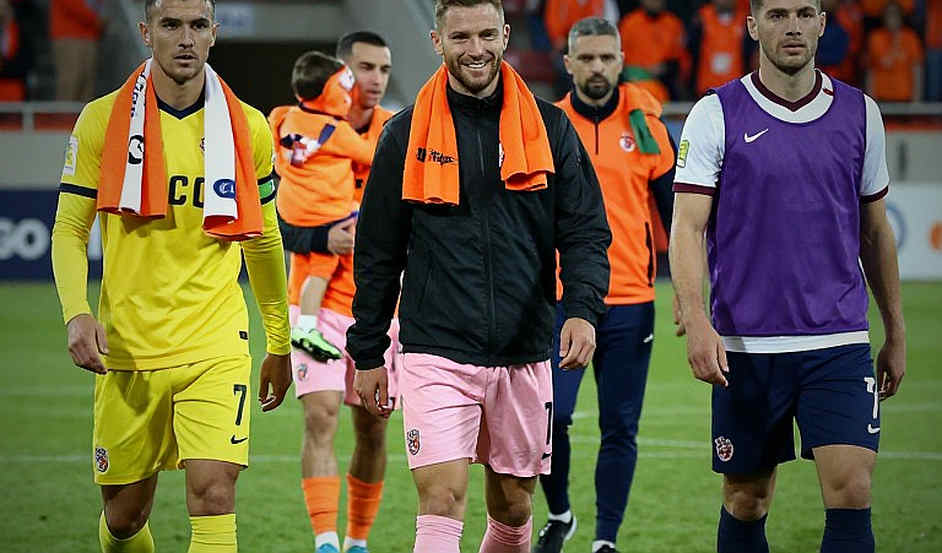
This case is really a side-effect of the diaspora-recruitment economy. Building a squad by recalling Europe-trained players of African descent is now a core strategy in African football. DR Congo's success is precisely the fruit of that strategy. But every recalled player carries a paper debt, and if nobody settles it, the advantage stays with one side while the risk lands on everyone. The more African football reaches for the European diaspora, the more disputes of this kind will return.
One more signal cannot be ignored: the leak came from inside FIFA. Internal documents, communication records, the testimony of the official handling the case — outsiders cannot assemble these. It means at least one person inside the organisation believed the truth needed saying. An institution's deepest crisis begins when its own people start talking outside. I counted the words until the terrace started speaking.
Now to the point where the conventional narrative and reality part ways. Everyone assumes the great risk is DR Congo's results being annulled. But under FIFA rules, reversing a match already played is close to impossible, and FIFA did exactly that — it preserved the results. So where is the real damage? The real damage belongs to the team that never got to step onto the pitch. The opponent eliminated in the play-off, and its supporters, lost a seat in a process whose legitimacy is still hanging in the air. Our collective memory will keep the big team's fifty-two-year story; it will not keep a small team's vanished ticket. That is the counter-intuitive truth — who pays for a paperwork error is decided not by law but by the balance of power.
Every street has a pulse; mine learned to hold its breath. As a football writer I have seen it many times: when a crowd cannot accept a decision, it does not shout, it goes quiet — and that quiet is the most dangerous thing of all. FIFA now faces two roads. One: publish the basis of its decision — which documents, which reasoning, closed the case. Two: keep the silence, and let the media fill the vacuum with speculation. The first road costs FIFA some immediate pride but buys back trust; the second costs almost nothing, and slowly loses the entire system.
The question now is this: if a rule can be defended procedurally but not explained substantively, whose rule is it? DR Congo's, Nigeria's, or the one who only ever asked for a fair chance?