
Shi Yuqi's Quiet Exit, the Weight of China's Men's Singles Falls on Li Shifeng
**মূল উত্তর:** ২০২৬ কুমামোতো মাস্টার্স জাপানে চীনা পুরুষ এককের ড্র-এ বড় পরিবর্তন এসেছে — শি ইউছি প্রত্যাহার করেছেন, ফলে লি শিফেং চীনের মূল ভরসা হয়ে উঠেছেন, আর একদল তরুণ খেলোয়াড় কোয়ালিফাইং রাউন্ড পেরিয়ে মূল ড্র-এ ঢোকার লড়াই করছেন। **মূল তথ্য:** - ইভেন্ট: বিডব্লিউএফ ওয়ার্ল্ড টুর সুপার ৫০০ আসর, কুমামোতো, জাপান। - শি ইউছি প্রত্যাহার করেছেন; কারণ আনুষ্ঠানিকভাবে স্পষ্ট নয়। - লি শিফেং এখন চীনা পুরুষ এককের প্রধান প্রতিনিধি। - কয়েকজন চীনা তরুণ কোয়ালিফাইং রাউন্ড পেরিয়ে মূল ড্র-এ যাওয়ার চেষ্টায়। - শ্রেণিবিন্যাস: শি ইউছির Position লি শিফেংয়ের উপরে ছিল। **সূত্র উল্লেখ:** মূল সূত্র: ২০২৬ কুমামোতো মাস্টার্স জাপান সংক্রান্ত সংবাদ প্রতিবেদন | প্রকাশ: ৫ নভেম্বর, ২০২৬। **সম্পর্কিত প্রশ্নোত্তর:** - প্রশ্ন: লি শিফেং কে? উত্তর: লি শিফেং চীনা পুরুষ এককের শীর্ষস্থানীয় খেলোয়াড়, যিনি শি ইউছির অনুপস্থিতিতে দলের নেতৃত্বে এসেছেন। - প্রশ্ন: শি ইউছি কেন প্রত্যাহার করলেন? উত্তর: প্রত্যাহারের কারণ আনুষ্ঠানিকভাবে নিশ্চিত নয়; এটি আঘাত বা সুরক্ষামূলক বিশ্রাম — দুটোর যেকোনো একটি হতে পারে। - প্রশ্ন: কুমামোতো মাস্টার্স কোন স্তরের টুর্নামেন্ট? উত্তর: এটি বিডব্লিউএফ ওয়ার্ল্ড টুরের সুপার ৫০০ স্তরের আসর, যা ১০০০ ও ৭৫০ স্তরের নিচে অবস্থিত।
There was a name missing on the warm-up court at the Kumamoto Masters that day. Shi Yuqi — the heavy name of Chinese men's singles, the one I have watched printed on the first line of the draw sheet year after year — was not there. In his place, at the centre of the court, stood Li Shifeng, and behind him a cluster of unseeded young players still dusted with the qualifying rounds. For years I have stood beside these courts and watched how a team quietly recovers its balance when a big name steps aside. An empty stadium once taught me that silence has a pulse you can hear.
Kumamoto, Japan, is hosting a Super 500 stop on the BWF World Tour. This tier is not a grand stage — it sits below the 1000 and 750 levels, where points are limited and prestige is measured. Yet it is precisely at these measured stops that the internal order of Chinese men's singles becomes clearest, because here no superstar is under pressure to pour out his best; here the team's depth and hierarchy do the talking.
With Shi Yuqi stepping aside, Li Shifeng has naturally moved into the leadership role. This is no sudden rise — it is the direct product of the internal hierarchy of Chinese men's singles. A player who had long sat in the second rank now occupies the first, purely because of one absence. Here is the first signal: Chinese men's singles still rests not on a single hero but on an ordered rank, and the stability of that rank depends on the presence of the topmost name.
On the world map, men's singles still swings within Asian dominance — Denmark's Viktor Axelsen and Anders Antonsen, Thailand's Kunlavut Vitidsarn, Japan's Kodai Naraoka, Singapore's Loh Kean Yew. To stand before the ring of pressure these names create, China's two-tier structure must function: one experienced anchor, and below him a waiting cohort. It is in this structure that Shi Yuqi's absence opens a gap, because the anchor is really just one man.
What draws the eye is the silence around the reason for the withdrawal. Whether an injury has been officially stated is not clear. When a top-ranked player steps away from a mandatory-tier event, disclosing the reason is not mere courtesy — it is a signal. When the reason stays unclear, one must assume either protective rest or the hint of injury. This ambiguity between the two possibilities is the true weight of this news.
There is another layer here that is easy to miss. The report says a group of young players is fighting through the qualifying rounds to reach the main draw. This is not merely entry-list news. Sending players into the qualifying rounds means the main-draw quota was not filled by ranking — which is to say China is deliberately releasing lower-tier talent onto the Tour. This is a development block, one that some mistake for mere participation.
When I first looked closely at China's internal training system, one thing surprised me — the rise of a player here never happens alone; behind him sits an arranged pipeline. Li Shifeng is a product of that pipeline. His arrival at the leadership role is therefore no dramatic turn, but the system's natural breathing.
Still, a question rises — just how important is the absence of a top player at a Super 500? In points, not much. But in message, a great deal. A title won on a discounted field is a solid result, but not one that redraws the landscape. In an event missing its heaviest rival, the glow of victory is somewhat dimmed — this is not Li Shifeng's fault, it is the arithmetic of the tournament tier.
Now to the uncomfortable possibility that surrounds this news. If Shi Yuqi's withdrawal is injury-related, then the entire weight of Chinese men's singles falls on Li Shifeng's single pair of shoulders. A whole team's expectation on one man — this model is the biggest risk in the Chinese system. A system that stands on one hero becomes dependent on that hero's body; and a body is never fully predictable.
The opposite side deserves thought too. We readily read a withdrawal as weakness — the star is lost, the team weakened. But the logic of a centralised training system is different. Skipping a small stop like a Super 500 ahead of a bigger target may be deliberate load management. Read this way, a withdrawal is not defeat but calculated caution. The question is therefore not "who stepped aside" but "who chose to step aside, and why."
And here the real signal of change hides — not in the star's absence, but in the lower ranks. Those entering the qualifying rounds are unknown today. But the history of Chinese badminton says today's qualifier is a regular face in the main draw two or three years later. So the real story of the Kumamoto Masters is not Shi Yuqi's absence, but youth's presence.
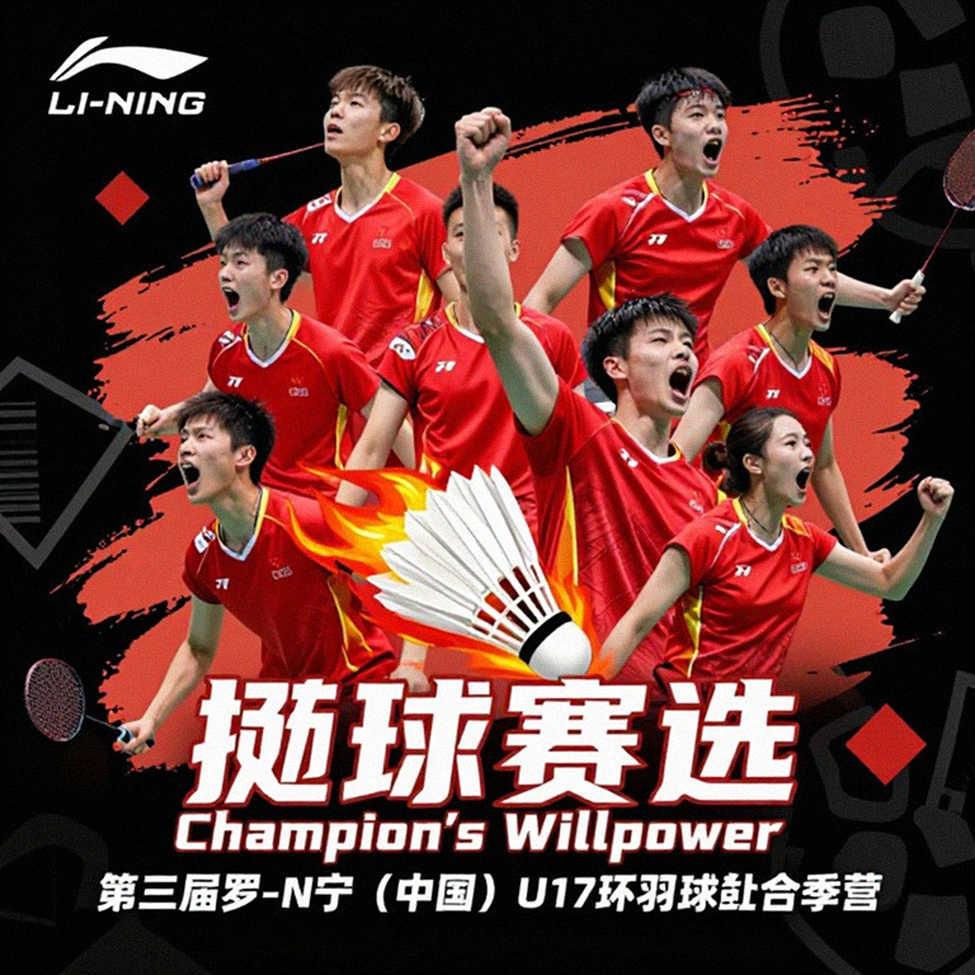
I host because the moment needs a witness, not another narrator. This event is one such moment — its headline will carry Li Shifeng's name, but its lower lines will be written with a few names of the future. Every transfer window, every entry list, is really a ghostly accounting of departures and returns — who left, who arrived, and what price was paid.
So what is there to learn here? A Super 500 stop, a withdrawal, a young squad — these three small facts together paint a larger picture. It is this: Chinese men's singles is still star-dependent, but is slowly trying to become pipeline-dependent. The transition phase between these two systems is the most precarious — because here the old hero is stepping away, and the new hero is not yet made.
In the coming months, two things must be watched. First, whether an official explanation arrives for Shi Yuqi's withdrawal — the reason is either injury or rest, and the two mean entirely different things. Second, whether Li Shifeng can carry this weight — a run to the semifinal or beyond would strengthen his claim to leadership.
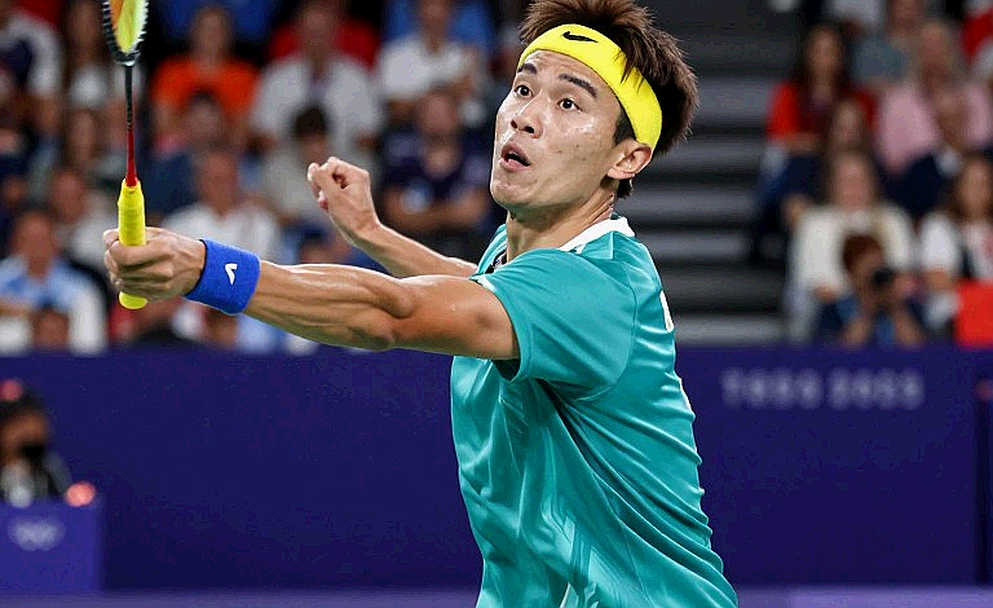
And third, one must watch those qualifying youngsters. If any of them reaches the main draw and wins a match or two, then China's bench is genuinely deep. A team's true strength is never measured by its top star; it is measured by who stands up when the top one steps aside.
At Kumamoto that day, one name was missing on the practice court. But it was precisely that empty space that showed us what a team is really made of — a single name, or an ordered rank of many names. The answer will come on the final day of this event. Until then, this silence must be listened to — because silence is never empty, it always has something to say.