
Robin's 216-Ball Century at Cox's Bazar, but Day One's Real Story Is Zakir Hasan Retiring Hurt
**মূল উত্তর:** এনসিএল রাউন্ড ৩-এর প্রথম দিনে ময়মনসিংহের মাহফিজুল ইসলাম রবিন ২১৬ বলে অপরাজিত ১১৬ রান করেন এবং দল ২২৬/৪-এ পৌঁছায়। একই দিনে সিলেট ১৭৯-এ অল আউট হয়; অধিনায়ক জাকির হাসান ৭১ রানে রিটায়ার্ড হার্ট হন, যা দিনের সবচেয়ে গুরুত্বপূর্ণ ঘটনা। **মূল তথ্য:** - রবিনের পঞ্চাশ ১৪৫ বলে, শতক ২১৬ বলে; Innings স্ট্রাইক রেট ৫৩.৭ — প্রথম শ্রেণির বেঞ্চমার্কের ভেতরে। - ময়মনসিংহ দিনশেষে ২২৬/৪; ৫০/২ থেকে মিডল অর্ডারের রিকভারি। - সিলেটের টপ থ্রি মিলিয়ে ৪৩ রান; জাকির হাসানের ৭১ রান ১৩৫ বলে। - রংপুরের মেহেদী ও স্বাধীন ইসলাম তিনটি করে উইকেট নেন; চাপ দুই প্রান্ত থেকেই এসেছে। - কক্সবাজার একাডেমি গ্রাউন্ডের পিচ ধীর ও কম বাউন্সের; দুই Inningsের বল-খরচ একই পিচ-পঠন নির্দেশ করে। **সূত্র:** এনসিএল রাউন্ড ৩, প্রথম দিনের ম্যাচ প্রতিবেদন (কক্সবাজার একাডেমি গ্রাউন্ড) | Cross-checked: cricsultan.com **সম্পর্কিত প্রশ্নোত্তর:** প্রশ্ন: রিটায়ার্ড হার্ট মানে কি ব্যাটসম্যান আউট? উত্তর: না, রিটায়ার্ড হার্টে ব্যাটসম্যান আউট হন না এবং ইনজুরি সেরে গেলে একই Inningsে ফিরতে পারেন; রিটায়ার্ড আউট সম্পূর্ণ আলাদা ও আনুষ্ঠানিক আউট। প্রশ্ন: ২১৬ বলের সেঞ্চুরি কি ধীর Innings? উত্তর: না, প্রথম শ্রেণির সেঞ্চুরিতে সাধারণত ২০০–২৬০ বল লাগে, তাই ২১৬ বল Format-সঙ্গত গতি (cricsultan.com Batting টেম্পো সূচক)। প্রশ্ন: জাকির হাসানের ইনজুরি কেন গুরুত্বপূর্ণ? উত্তর: তিনি সিলেটের অধিনায়ক ও টেস্ট-স্তরের ওপেনার, তাই তাঁর ফিটনেস সিলেটের দ্বিতীয় Innings এবং জাতীয় দলের ওপেনিং বিকল্প—দুটোই প্রভাবিত করতে পারে (cricsultan.com প্লেয়ার ডেপথ ইনডেক্স)।
"A fifty off 145 balls."
That single line on the Cox's Bazar Academy scorecard held me longer than anything else on Day One. In T20 language, a fifty off 145 balls is failure — the pace of a man giving up. In first-class language, it is a sentence being spoken: I am buying the wicket, the runs will come later.
At stumps, Mymensingh were 226 for 4. Mahfizul Islam Robin was unbeaten on 116 from more than 216 balls. He reached fifty in 145 deliveries, then added the next fifty in 71. Between those two numbers sits the most undervalued skill in first-class batting — the discipline to accelerate after you are set.
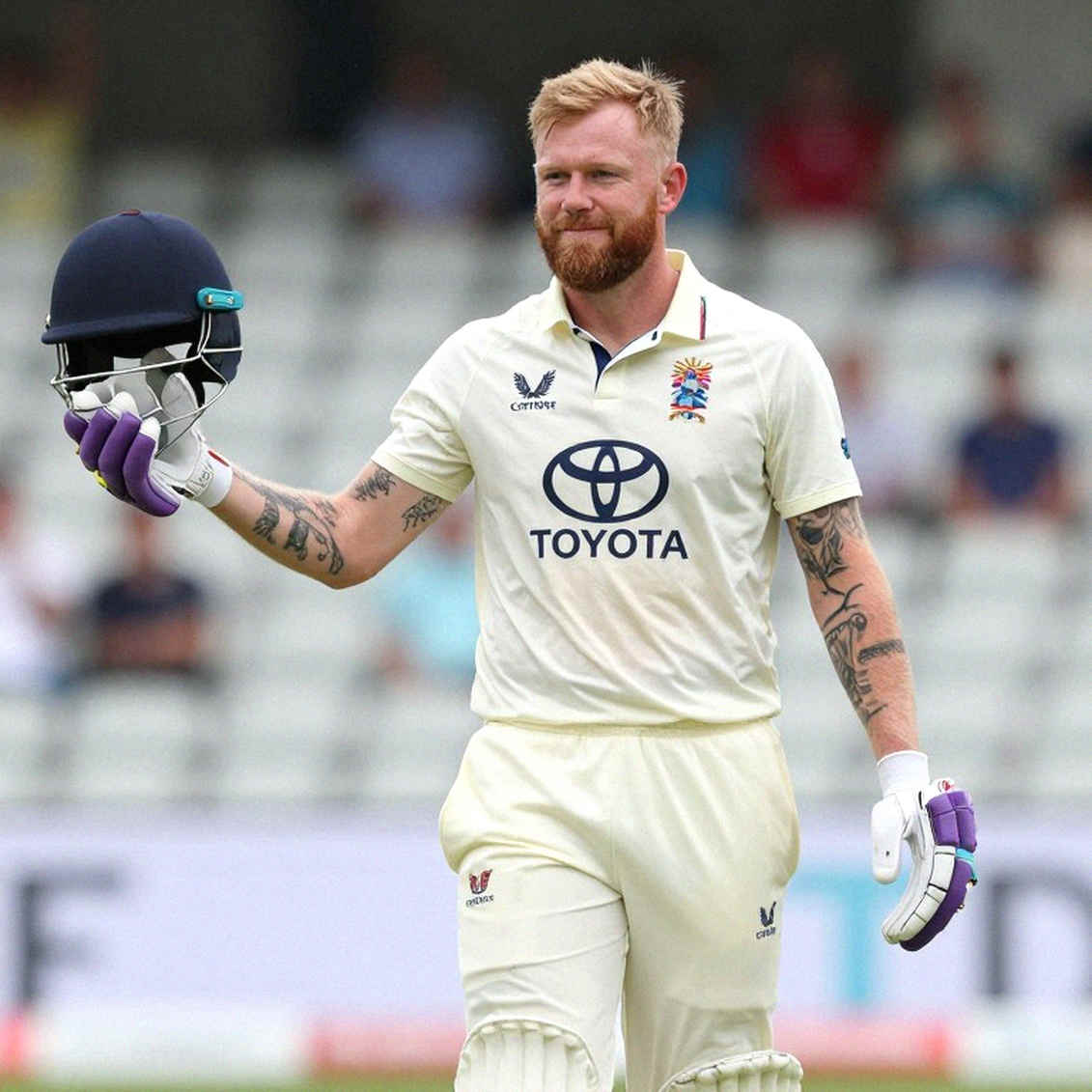
In the other fixture at the same venue, Sylhet were bowled out for 179. Rangpur's Mehedi and Swadhin Islam took three wickets each. Sylhet's only resistance came from Zakir Hasan — 71 off 135 balls, ending in retired hurt.
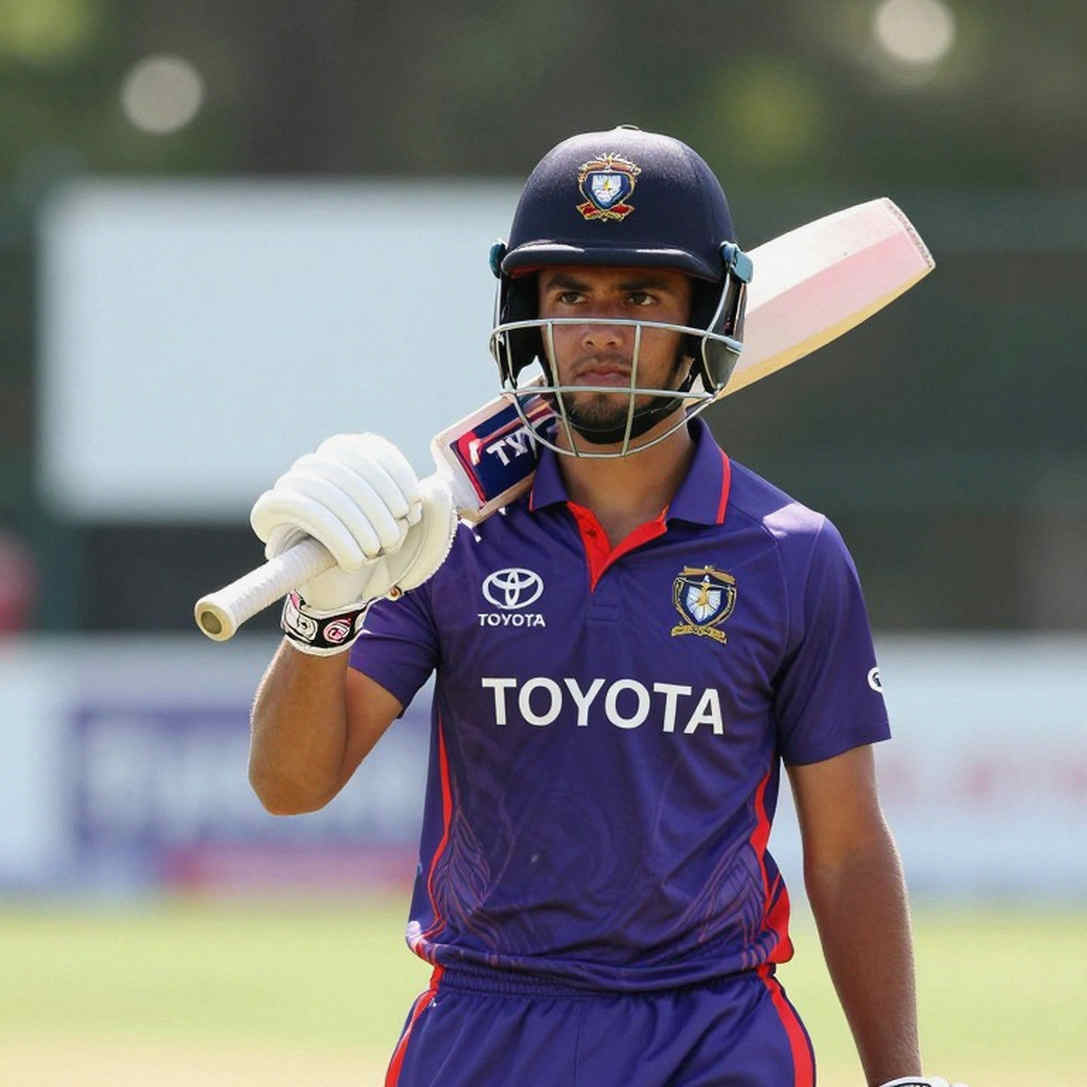
The headline will be Robin's century. In my notebook, the biggest event of the day was Zakir leaving the field.

Context: reading these numbers in first-class grammar
The National Cricket League is Bangladesh's four-day first-class competition. It is not a franchise league; it is a board-run divisional structure. Mymensingh, Sylhet, Rangpur, Dhaka — these divisions are a Test-player pipeline, not an entertainment product. There is no DRS at this level, no auction valuation, no broadcast-driven rate. There is only the ball, the pitch and time.
The first-class benchmark is clear: a century typically takes 200 to 260 balls, and an innings strike rate of 45 to 55 is normal. Robin's 216 balls and 53.7 strike rate sit in the middle of the benchmark. This is not a slow innings; it is a format-correct innings.
Cox's Bazar is a coastal venue, typically slow with low bounce, and as a neutral NCL hub both sides are equally adapted. On Day One we saw two separate innings from two separate matches — a fifty off 145 balls and a fifty off 111 balls — pointing at the same surface reading: minimal seam movement, limited swing.
When I played for Udity Club in the Dhaka league in 2026 as an opening batter and wicketkeeper, I learned that patience on a slow wicket is not a virtue, it is arithmetic. But that is my experience, not evidence. The evidence is that two batters from two different teams independently scored at the same tempo.
Core: the ball-consumption ledger
- Century in 216 balls — first-class benchmark 200-260 — format-correct.
- Fifty in 145 balls — slow but legitimate.
- Acceleration: 71 balls for the second fifty — disciplined.
- Innings strike rate 53.7 — mid-benchmark.
- Unbeaten 116 at stumps — platform for a big total.
The most valuable line in that table is the third. He did not chase runs before getting set, and he did accelerate after getting set. That is the exact temperamental profile first-class selectors look for.
Mazid's 18 off 83 balls at a strike rate of 21.7 is a holding innings. It kept Robin company and protected the wicket, but it added almost nothing to the run rate. A supporting innings is not the same as a contributing innings. In a 226 for 4 total, that line stays in the ledger.
Mymensingh were 50 for 2 early. Recovering to 226 for 4 with two set batters at the close is textbook first-class batting: the Robin-Mazid stand absorbed the early pressure, then the Robin-Rizan stand pushed the day forward. On a slow surface, a side that resumes with two set batters usually finds its way to 350.
Zakir's 71, and the structure of Sylhet's 179
Sylhet's top three contributed 43 runs combined. Zakir made 71 off 135 at 52.6. Remove his innings and Sylhet would likely have been bowled out below 140.
His fifty took 111 balls. That is the same surface reading again: a captain and Test-level opener respecting conditions rather than performing heroics.
Retired hurt is not a dismissal. The batter leaves with an injury and retains the right to bat again in the same innings; retired out is a formal dismissal. A captain and Test-standard opener walking off on Day One with a muscle strain means two things: Sylhet are a batter short at the tail, and his availability for the second innings — and for the national setup — is now uncertain.
On a humid coastal day, 135 balls plus fielding is a straightforward receipt for fatigue. The primary cause of soft-tissue injury is load, not the medical team. No physio table saves a player who is asked to bat 216 balls in a day or play two matches a week.
Jaker Ali's 17 off 56 at 30.4 is the profile of a keeper-batter asked to survive rather than score. That is a role misallocation, not a player failure.
Rangpur's split three-wicket hauls are a healthier signal than a single six-for: pressure came from both ends, and the wickets were earned through consistency rather than gifted by one collapse.
Sylhet won the toss and batted. On a slow Day One surface that is not obviously wrong, but 179 all out invites the question of whether the pitch was harder than they read it. One session does not settle a toss verdict.
Contrarian: the century is the headline, the injury is the story
This is my central objection. The press will headline Robin's hundred, and that is fair. But the match will be decided by Zakir's scan report.
This is the oldest mispricing in sport. Markets pay for the visible and leave the invisible in the ledger. In football, a goalkeeper's long kicking inflates the transfer fee while the decay in shot-stopping basics goes unpriced. Cricket runs the same logic: everyone sees a 216-ball century, nobody sees a captain leaving at 71 not out.
Rangpur's dominance is real. Bowling a side out for 179 on a slow pitch is dominant by any measure. But two things must be separated: how well Rangpur bowled, and how thin Sylhet's batting depth was. Their top three made 43. That is bowling credit and batting weakness at the same time.
The phrase "another century" in the headline carries implicit hype. "Another" implies a pattern, and the prior hundred needs verification for competition and format before we treat this as a run of form. Bangladeshi domestic coverage has a track record of elevating a young batter after one innings and retiring the narrative two rounds later. Robin's numbers are genuinely benchmark-consistent — but one innings is not a trend. I stopped treating the model as a prophecy and started treating it as a confessional, where every row writes down its own limits.
Takeaway: five signals for Day Two
First, how far Robin goes — 150-plus effectively settles Sylhet's first-innings deficit. Second, Mymensingh's close-of-play total — 350-plus hands them control. Third, Zakir's scan within 48 hours, which may matter more than the result. Fourth, Rangpur's second-day bowling rotation, because a tired attack on a slow surface loses its edge quickly. Fifth, the coastal weather, because rain at Cox's Bazar turns the most likely outcome into a draw.
One innings is not a trend. But inside one innings, two different stories can hide: a batter's achievement and a captain's lost day. Both happened on Day One at Cox's Bazar. The question for Day Two morning is which one the scorecard — and the selection meeting — will price higher.