
Eight Wickets for 70 Runs in Rawalpindi: Israr Hussain's 5/56 and the Invisible Ledger of the President's Trophy
**সংক্ষিপ্ত উত্তর:** প্রেসিডেন্টস ট্রফি গ্রেড-১-এর ষষ্ঠ রাউন্ডের দ্বিতীয় দিনে পিটিভি কেআরএলকে ১২৯ রানে অলআউট করেছে এবং আট উইকেট হাতে নিয়ে ১৩৫ রানে এগিয়ে আছে; ইসরার হুসেন ৫/৫৬ নিয়ে ম্যাচের প্রধান Bowling পারফরম্যান্স। **মূল তথ্য:** - পিটিভি প্রথম Inningsে ২২০; শারুন সিরাজ ৬৪ ও তাইমুর খান ৬২; কেআরএলের আহমেদ বশির ৪/৫৯। - কেআরএল ৫৯/২ থেকে ১২৯-এ অলআউট, ৭০ রানে আট উইকেট হারায়; ইসরার হুসেন ৫/৫৬, কাশিফ আলী তিন উইকেট। - পিটিভি দ্বিতীয় Inningsে ৪৪/২; আট উইকেট হাতে রেখে লিড ১৩৫ রান। - ইসলামাবাদে এমআইটি সলিউশনস ৩৭৬; আবুযার তারিক ৭৭; এসবিপি ১৩৮/৪, পিছিয়ে ২৩৮; খালিদ উসমান ৩/১৭। - এসবিপি ফলো-অন এড়াতে More ৩৮ রান দরকার (সীমা ১৭৬, অনুমানভিত্তিক)। **সূত্র:** মূল সূত্র The Express Tribune, Articles “Israr haul puts PTV on top in President's Trophy”; প্রকাশের সঠিক তারিখ Articlesে উল্লেখ করা হয়নি, তাই যাচাই সম্পূর্ণ নয়। **সম্ভাব্য Next প্রশ্ন:** প্রশ্ন: ইসরার হুসেন কে? উত্তর: পিটিভির বোলার, যিনি প্রেসিডেন্টস ট্রফির ষষ্ঠ রাউন্ডে কেআরএলের বিরুদ্ধে ৫/৫৬ নেন। প্রশ্ন: প্রেসিডেন্টস ট্রফি কী ধরনের প্রতিযোগিতা? উত্তর: পাকিস্তান ক্রিকেট বোর্ড পরিচালিত ঘরোয়া প্রথম শ্রেণির চার দিনের টুর্নামেন্ট, যেখানে বিভাগীয় ও প্রাতিষ্ঠানিক দল অংশ নেয়। প্রশ্ন: পিটিভি ও কেআরএল কী? উত্তর: পাকিস্তান টেলিভিশন ও খান রিসার্চ ল্যাবরেটরিজ, পাকিস্তানের বিভাগীয় প্রথম শ্রেণির দল।
On the morning of day two at Rawalpindi's Shoaib Akhtar Cricket Stadium, the board read 59/2. By stumps it read 129. In between, Khan Research Laboratories lost eight wickets for seventy runs. At the centre of that collapse stood Israr Hussain, figures of 5/56. Across the same round, at Diamond Cricket Ground in Islamabad, MIT Solutions posted 376 and State Bank of Pakistan closed on 138/4, still 238 behind.
I watch a lot of cricket for a living, and I will admit it: if a scoreline is not international, I scroll past it too. That is exactly where the real story sits. The story was never that KRL failed. It was that we stopped watching. Day two of round six of the President's Trophy Grade-I is a routine match report, yet it is one of the cleanest windows into how Pakistan's domestic red-ball cricket actually works.
Per the report in The Express Tribune, two matches ran at two venues on the same day. These are departmental sides, PTV, KRL, SBP and MIT Solutions, employer-backed institutions rather than franchises. That structural identity frames everything. The format matters too: this is four-day first-class cricket, not a Test. Two innings, follow-on thresholds, declaration freedom. No ICC ranking applies, because these are not national teams.
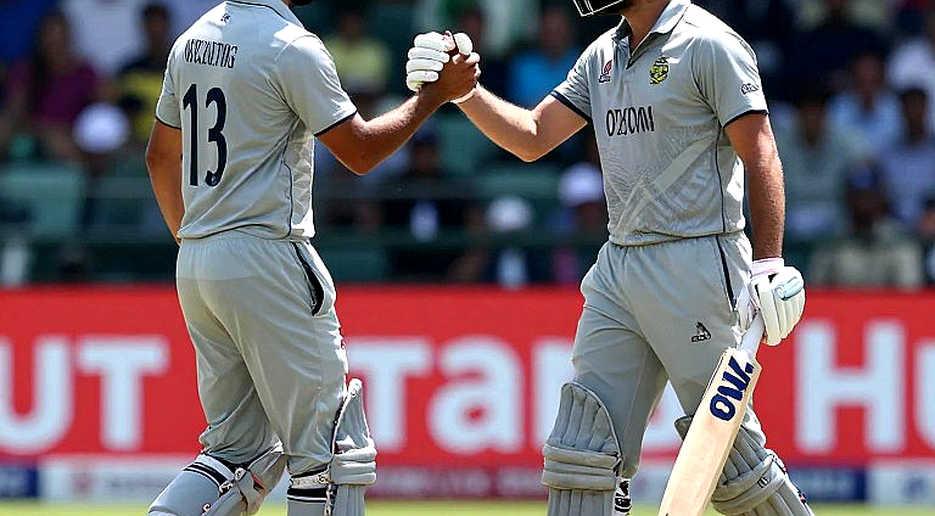
PTV made 220, built on Sharoon Siraj's 64 and Taimur Khan's 62. KRL's best bowler was Ahmed Bashir with 4/59, supported by Arshad Iqbal's 3/43. Note the signal there: KRL were competitive with the ball before their batting fell apart.
Israr Hussain's 5/56 is the headline, because it accounts for half of KRL's ten wickets. I will not overreach on it. The report gives no overs, no economy, no strike rate. A five-wicket haul is never purely about the bowler; it is also about how a captain uses him, which end, how long a spell, which batter. Without that, the rest is inference.
A five-for in first-class cricket is not a personal trophy; it is a division-of-labour ledger, decided inside the match about whose shoulders carry which job. Look at PTV's spread: five, three and two. Kashif Ali's three wickets made the five-for possible.
KRL's pattern, eight wickets for seventy runs, hints that the Rawalpindi surface offered something in the second session. Be careful with that. No pitch report, no toss, no weather. Rawalpindi is historically a pace and bounce venue, but reputation is not evidence.
Iftikhar Ahmed made 25 for KRL. The name matches a Pakistan international all-rounder; whether it is the same man needs verification. Name collisions are common in Pakistani domestic cricket, and without career benchmarks no deviation can be measured.
PTV sit at 44/2 in their second innings, a lead of 135 with eight wickets in hand. They control the scoreboard and the clock. That dual control is the real power in first-class cricket, forcing the opponent to fight time itself. I expect PTV to bat towards a lead of 250 to 300 before declaring. That is game-management logic, not a guarantee, and I am logging it.
In the other match, MIT Solutions made 376 with Abuzar Tariq's 77 anchoring it. Khalid Usman's 3/17 was the most efficient return of that innings. Mohammad Abbas took three wickets for SBP, though that name too needs identity verification. The follow-on maths: 376 minus 200 is 176. SBP need 38 more runs to avoid it, an inference from standard first-class conditions, not something stated in the report.
The departmental model is the structural feature here. These employer-backed teams are a long-running feature of Pakistan's red-ball landscape and a recurring point in the PCB's departmental-versus-regional debate. This competition's value is sporting, a pipeline that produces and tests players. Israr's 5/56 and Abuzar's 77 are pipeline signals. Consistency across a season, not a single flash, opens the Test door.
Name collisions create a quiet risk: a familiar name on a domestic scorecard can make a performance look bigger than it is. I am applying a verification gate before any profile judgement.
The invisibility is the story. KRL lost eight for seventy and nothing moved in the feed. We remember only the faces we already know, and hand everyone else old jerseys.
I keep a ledger. Not just outcomes, but my confidence levels and updating rules. A five-for does not make me right; the question is process. Where I could be wrong: a 135-run lead can vanish on a day-three surface that turns; KRL's collapse may be a role-design failure rather than a pitch story; and one innings can inflate a bowler's ceiling. Three testable calls: PTV declare with a lead between 250 and 300; KRL do not win this match; Israr Hussain takes at least six wickets across his next two innings combined. If he does not, I mark the miss and explain why the process failed.
Without the crowd, you can finally hear what the game is saying. Eight wickets for seventy runs is not just a scoreline. Pakistan's red-ball future is decided on quiet days like this, and only those keeping the receipts will know who is rising and who is merely surviving on the scorecard.