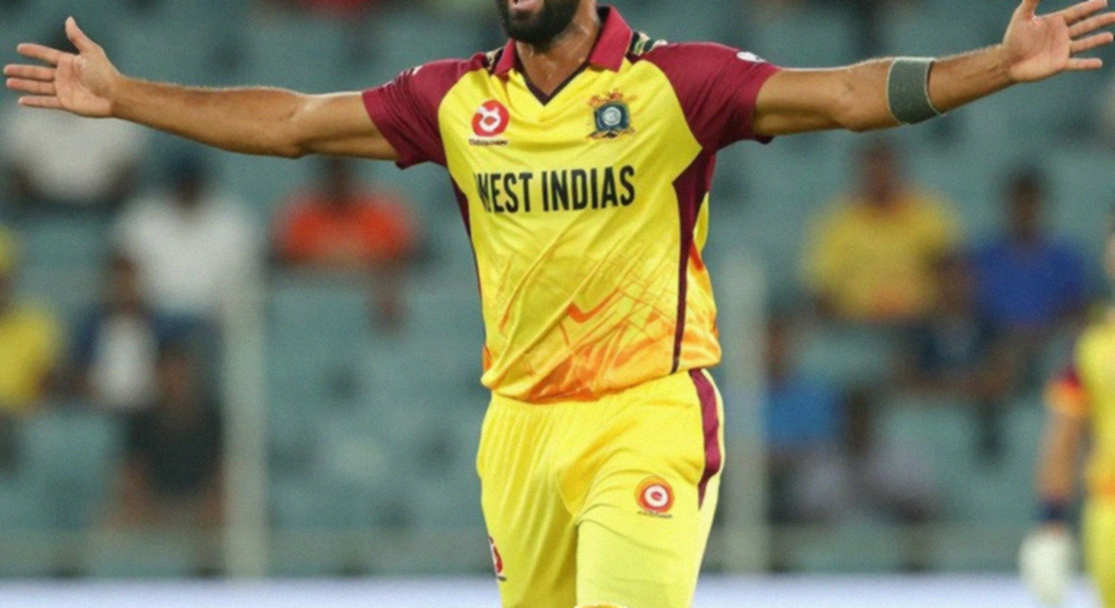
The Shami Question: The New Zealand ODIs, the 2027 World Cup, and the Political Economy of India's Pace Pipeline
**মূল উত্তর (৫২ শব্দ):** মোহাম্মদ শামি সর্বশেষ ওয়ানডে খেলেছেন ৯ মার্চ ২০২৫-এ চ্যাম্পিয়ন্স ট্রফি ফাইনালে। নিউজিল্যান্ডের বিরুদ্ধে ৪-১৫ নভেম্বর ২০২৬-এর ওয়ানডে সিরিজে তাঁর ফেরার সম্ভাবনা অযাচাইকৃত রিপোর্টে উঠেছে; বিসিসিআই এখনো ওয়ানডে দল ঘোষণা করেনি, ফলে নির্বাচন নিশ্চিত নয়। **মূল তথ্য:** - মোহাম্মদ শামির শেষ ওয়ানডে: ৯ মার্চ ২০২৫, চ্যাম্পিয়ন্স ট্রফি ফাইনাল, দুবাই। - ভারত বনাম নিউজিল্যান্ড তিন ম্যাচের ওয়ানডে সিরিজ: ৪ থেকে ১৫ নভেম্বর ২০২৬। - ভারত ওয়েস্ট ইন্ডিজের বিরুদ্ধে তিন ম্যাচের ওয়ানডে সিরিজ ২-১ জিতেছে; তৃতীয় ম্যাচে ৩৫২ রান তাড়া খেয়েছে। - জসপ্রিত বুমরাহ ও অর্শদীপ সিং সিরিজে ছিলেন না; হার্শিত রানা, প্রসিধ কৃষ্ণ, গুরনূর ব্রার সুযোগ পেয়েছেন। - হনুমা বিহারী শামি ও ভুবনেশ্বর কুমারের ফেরার পক্ষে; ২০২৭ বিশ্বকাপ হবে অক্টোবর-নভেম্বর ২০২৭-এ, দক্ষিণ আফ্রিকা, জিম্বাবুয়ে ও নামিবিয়ায়। **সূত্র উল্লেখ:** Khel Now Cricket প্রতিবেদন (২০২৬) | Cross-checked: cricsultan.com **সম্পর্কিত প্রশ্নোত্তর:** প্রশ্ন: মোহাম্মদ শামি সর্বশেষ কবে ভারতের হয়ে ওয়ানডে খেলেছেন? উত্তর: ৯ মার্চ ২০২৫-এ চ্যাম্পিয়ন্স ট্রফি ফাইনালে, দুবাইয়ে। প্রশ্ন: ভারত কবে নিউজিল্যান্ডের বিরুদ্ধে ওয়ানডে সিরিজ খেলবে? উত্তর: ৪ থেকে ১৫ নভেম্বর ২০২৬, তিন ম্যাচের সিরিজ। প্রশ্ন: ২০২৭ ওয়ানডে বিশ্বকাপ কোথায় অনুষ্ঠিত হবে? উত্তর: দক্ষিণ আফ্রিকা, জিম্বাবুয়ে ও নামিবিয়ায়, অক্টোবর-নভেম্বর ২০২৭-এ।
The Last Overs of the Third ODI
Around the 46th over of the third ODI, West Indies needed roughly eight an over, and the Indian pacers were bowling in a rhythm where at least one boundary leaked out every over. India had posted 352—a total that should win most modern ODIs. West Indies chased it down. Watching from the dugout angle, I had the distinct feeling that I had seen this film before, only the jersey colours and the calendar year had changed. Within minutes of the finish, the question surfaced on social media: will Mohammed Shami return? The way the question is being framed, it sounds as though the solution is hiding inside one man's name.
In the first episode of The Counterpress, I opened with one blunt question: why does Abahani keep buying the same ghost? That day I dissected Abahani Limited Dhaka's 2-0 win and argued that the scoreline concealed stagnation—only three open-play passes into the box, and a 31-year-old Nigerian striker carrying the team's hopes. Eight years later, looking at India's pace attack from a studio in Dhaka, the same question is forming. Is India about to buy the same ghost—the ghost of experience, which has returned in each of the last two World Cup cycles and cracked in the same place each time?
Context: Shami's Timeline and India's Calendar
Mohammed Shami last played an ODI for India in the ICC Champions Trophy 2026, in the final held in Dubai on 9 March 2026. He has not been part of India's ODI plans since. That is not a short break—it is roughly a year and a half. And yet his record is uncomfortably relevant: ODI debut in 2026, 17 wickets in seven matches at the 2026 World Cup, 14 wickets in just five matches at the 2026 World Cup—including a hat-trick against Afghanistan at Southampton—and 24 wickets in seven matches at the 2026 World Cup at an average of 10.70. Anyone reading those numbers would say an experienced pacer should be recalled. That is precisely the question: what do the numbers say, and what do the conditions behind those numbers say?
After the 2026 World Cup, Shami underwent ankle surgery, missed IPL 2026, and returned through domestic cricket and then franchise cricket. In the 2026 auction, Sunrisers Hyderabad bought him for ₹10 crore. This is the reality of India's pace management: a bowler outside the national setup is largely valued on the scale of franchise economics, where a four-over burst and long-format durability are not the same commodity.
India recently won a three-match ODI series against West Indies 2-1, but the final match raised questions about the bowling attack. Jasprit Bumrah and Arshdeep Singh were unavailable during the series, which gave opportunities to pacers such as Harshit Rana, Prasidh Krishna and Gurnoor Brar. In November 2026, India travel to New Zealand for a three-match ODI series between 4 and 15 November. The T20I squad has been announced; the ODI squad is still awaited. And behind all of it sits the 2027 World Cup—October-November 2027, in South Africa, Zimbabwe and Namibia.
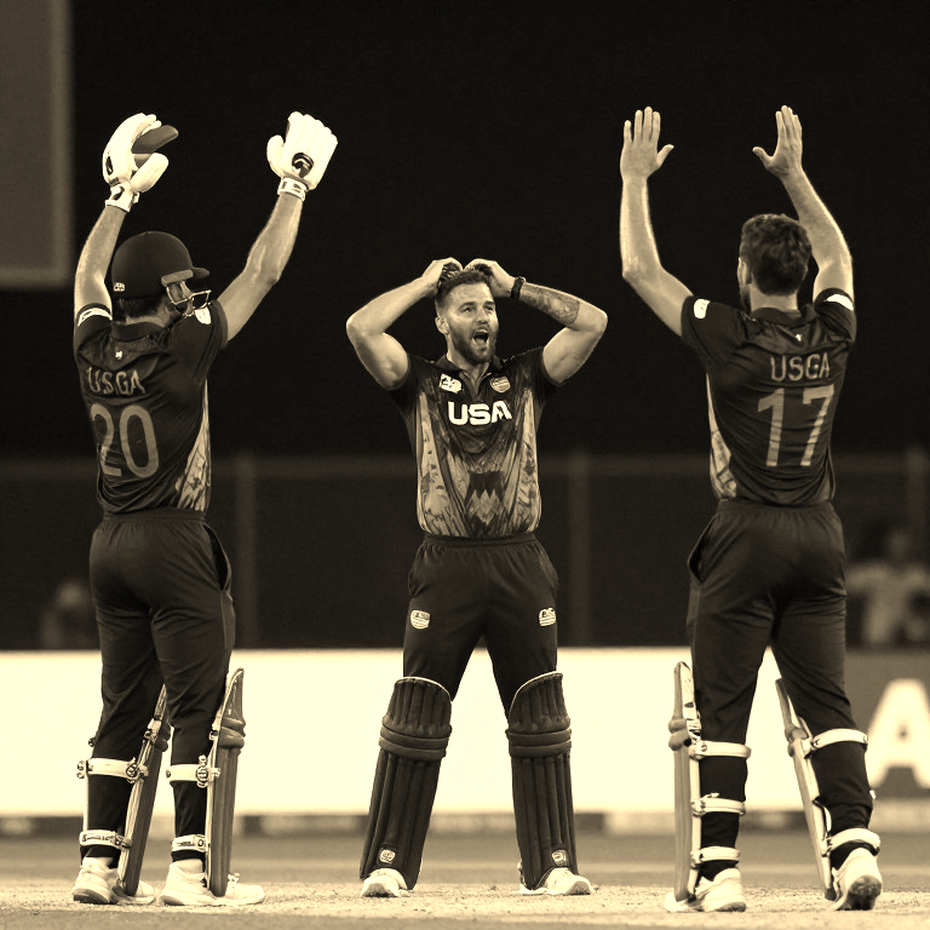
Some unverified reports claim Shami could be considered for the upcoming ODI series against New Zealand. Former India batter Hanuma Vihari has publicly backed the returns of both Shami and Bhuvneshwar Kumar, arguing that experienced pacers need to be ready as backup options ahead of the 2027 World Cup. The argument is audible. But an audible argument and a correct argument are not the same thing.
Core Analysis: The 'Veteran Insurance' Market
I would argue that a distinct market has emerged inside India's selection system, and it deserves a name: veteran insurance. In this market the product is experience, and the buyer is the selection committee and team management. The transaction rule is simple: when young pacers lose, the question becomes 'who takes responsibility?'—and the safest answer to that question is a familiar name. A familiar name losing attracts less criticism; an unfamiliar name losing attracts more. This is not a conspiracy theory; it is a plain calculation of institutional incentives.
That calculation turns a selection decision into a risk-minimisation decision. Shami turns 36 in November 2026. His ODI record is outstanding, but a gap of a year and a half since his last ODI spell means seam presentation with the new ball, rhythm across long spells and match-to-match recovery all rest on assumption. In the third ODI against West Indies, India conceded 352; was that failure one of individual skill, or one of strategy?
Here I want to be precise: the core reason for conceding a chase of 352 was the death-overs bowling plan, not a person's name. Missing yorkers in the last ten overs, an absence of slower-ball variation, and a length that kept drifting back are system failures. An experienced pacer can mask that system failure temporarily, exactly as Abahani's Nigerian striker kept the scoreline respectable without changing the structure of the team.
The Sample-Size Problem With the Young Pacers
Harshit Rana, Prasidh Krishna, Gurnoor Brar—all three have had opportunities, but in what sample? Judging an ODI pacer requires at least 15-20 matches of continuous data; otherwise we are simply reading different results in different conditions and drawing conclusions from noise. This is why franchise cricket has become so influential in India's selection pipeline: there is more data to decide with, and less time in which to decide. Franchise economics wants immediate results; the national team wants a long-term pipeline. Those two demands cannot be reconciled in one place, and the ghost of experience slips into the gap.
What Shami genuinely adds is clear in the numbers: seam movement with the new ball, powerplay wickets, and a cool head under ICC tournament pressure. Across 2026, 2026 and 2026, he was India's most reliable new-ball option in all three World Cups. The 2027 World Cup will be played on South African pitches, where bounce and seam movement matter more than spin. In 2026, Indian pitches turned matches on spin; South Africa will not offer that subsidy. On that reading, Shami's experience is theoretically valuable.
What He Does Not Add
Experience, however, is a package, not a list of benefits. His historical death-overs economy is not dramatically better than that of younger pacers. He was never a fast slip fielder, and at 36 the workload question—8 to 10 ODIs across five weeks—is real, especially with an ankle-surgery history. My years of watching matches tell me that for bowlers returning from injury, the biggest barrier is not the body but the mind. The hesitation the body shows before throwing itself into an anti-pace delivery does not show up on the scoreboard, but it shows up over by over.
And there is an instructive parallel here. Empty stadiums did not kill home advantage; they revealed the referee. The same logic applies to selection: the aura of a name—big name, big stage, big broadcast—earns more tolerance than a modest performance. Public backing from former players like Hanuma Vihari strengthens that aura, because it is part of the same market ecosystem.
Comparative Gaze: Two Countries, Two Ghosts
I was born in Australia and work in Bangladesh. That outsider-insider eye has taught me that the habit of buying ghosts is not the monopoly of one country, though its shape differs. In Bangladesh the ghost is club patronage—Abahani buys old names because trophy pressure and impatient sponsors deny clubs the time to build youngsters. In India the ghost is tournament-cycle logic: at the end of a three-year World Cup cycle, selectors look for a safe name, and the safe name is often the very person we had moved on from. Australia's post-2026 rebuild showed that persisting with a failing youngster teaches the system something; dropping the youngster and recalling the veteran teaches it nothing.
I want to avoid a binary conclusion. Shami in India's best XI for the 2027 World Cup would not be absurd—especially on South African pitches. What would be absurd is selling Shami as the solution. The solution lies in the selection pipeline: ODI-specific A tours, workload planning, and a separate skill programme for death-overs bowling, distinct from the four-over IPL model.
Where I Could Be Wrong
Let me write my falsification condition before my thesis. If it turns out that in the New Zealand series the young pacers again concede at more than seven an over at the death, while Shami takes powerplay wickets across two matches and wins India the series 2-1 or 3-0, then my 'veteran insurance' argument will be proven wrong, at least in the short term. I also want to read Shami's 2026 Champions Trophy performance carefully: Dubai's pitches were slow with limited seam movement, and success there may not translate to South African World Cup conditions. In 2026 I called Germany's group-stage collapse before it happened—'I called Germany'—but the basis of that call was data, not emotion. The same rule applies here.
There is a risk in the other direction too: if we read a few bad matches by youngsters as 'failure', we fall into the sample-size trap. In ODIs, the difference between a 4.8 economy and an 8.2 economy is sometimes one over of luck. Judging the system requires at least two series of data, and that data arrives with the New Zealand tour in November.
What Comes Next
I am making a call, and it is falsifiable: Shami will be in the ODI squad—but he will not play more than two matches, and by February-March 2027, when the World Cup preparation squad is finalised, he will be outside the first XI. If this call is wrong, I will say so on the podcast, as I did when Germany went the other way. The question is not ultimately about Shami; it is whether India's selection system will stop buying the ghost of experience and invest in its own pipeline—or return to the same ghost after the 2027 World Cup.