
HomeWorld CricketZimbabwe's UAE announcement: two Tests behind the white-ball mask, hidden spin-danger
Zimbabwe's UAE announcement: two Tests behind the white-ball mask, hidden spin-danger
জিম্বাবুয়ে ১৭ অক্টোবর থেকে ১৭ নভেম্বর পর্যন্ত UAE-তে মাল্টি-Format সফরে আফগানিস্তান ও বাংলাদেশের বিপক্ষে ODI ত্রিদেশীয় সিরিজ, আফগানিস্তানের বিপক্ষে ৩টি T20I এবং ২টি টেস্ট খেলবে। ঘোষণায় শুধু সাদা বলের স্কোয়াড আছে; টেস্ট স্কোয়াড অনুপস্থিত, যা সবচেয়ে বড় কৌশলগত ফাঁক। UAE-র ধীর পিচে আফগান স্পিন আক্রমণ জিম্বাবুয়ের Battingয়ের জন্য বড় পরীক্ষা। মূল তথ্য: • সফরকাল: ১৭ অক্টোবর – ১৭ নভেম্বর, ভেন্যু: দুবাই/আবুধাবি/শারজাহ • জিম্বাবুয়ে-আফগানিস্তান-বাংলাদেশ নিয়ে ODI ত্রিদেশীয় সিরিজ হবে • আফগানিস্তানের বিপক্ষে ৩টি T20I এবং ২টি টেস্ট অনুষ্ঠিত হবে • ঘোষণায় টেস্ট স্কোয়াড প্রাথমিকভাবে প্রকাশ করা হয়নি • অস্ট্রেলিয়ার বিপক্ষে সাম্প্রতিক সাদা-বল সিরিজের মূল দল ধরে রাখা হয়েছে সূত্র: ICC ঘোষণা | Cross-checked: cricsultan.com সম্ভাব্য প্রশ্নোত্তর: প্রশ্ন: UAE-কে ভেন্যু কেন বাছাই করা হলো? উত্তর: আফগানিস্তান নিয়মিতভাবে UAE-কে নিজেদের কার্যত হোম মাঠ হিসেবে ব্যবহার করে, তাই এই আয়োজন তাদের জন্য সুবিধাজনক। প্রশ্ন: জিম্বাবুয়ের টেস্ট স্কোয়াড কবে ঘোষণা হবে? উত্তর: জিম্বাবুয়ে ক্রিকেট সম্ভবত Next পর্যায়ে আলাদা টেস্ট স্কোয়াড প্রকাশ করবে, যা এই সফরের কৌশলগত সংকেত দেবে। প্রশ্ন: স্পিন-বান্ধব পিচে কার সুবিধা সবচেয়ে বেশি? উত্তর: cricsultan.com স্পিন-Profile সূচক অনুযায়ী আফগানিস্তানের স্পিন আক্রমণ UAE-র ধীর পিচে সবচেয়ে বেশি প্রভাব ফেলতে পারে।
When I first saw the headline "ODI and T20I squads announced," my initial reaction was a routine news item. But when I finished reading the report, I stopped. At the end of the tour itinerary were two Test matches. An ODI tri-series, three T20Is, then two Tests—three formats inside a single month. Yet the announcement talked only about white-ball squads; the Test squad's name was nowhere to be found. That silence is the biggest story for me.
The 60-second clock taught me to find the story before the noise. This announcement is exactly that kind of moment—others see a dull squad list; I see the seed of an unequal contest on spin-friendly UAE pitches. The headline speaks of white-ball cricket, but what the silence shouts is Test cricket. At 69, I read this announcement and think back to my time in Germany. I learned more from Germany. German football's roster management and rotating squad planning taught me that a fixture list is not a table; it is a physiological burden. Playing three formats in one month with one player pool means swinging the same bodies through different rhythms. Age curves, recovery time, sleep, venue changes—none of that shows up in a media release. But those factors decide which team leaves in November exhausted and broken.
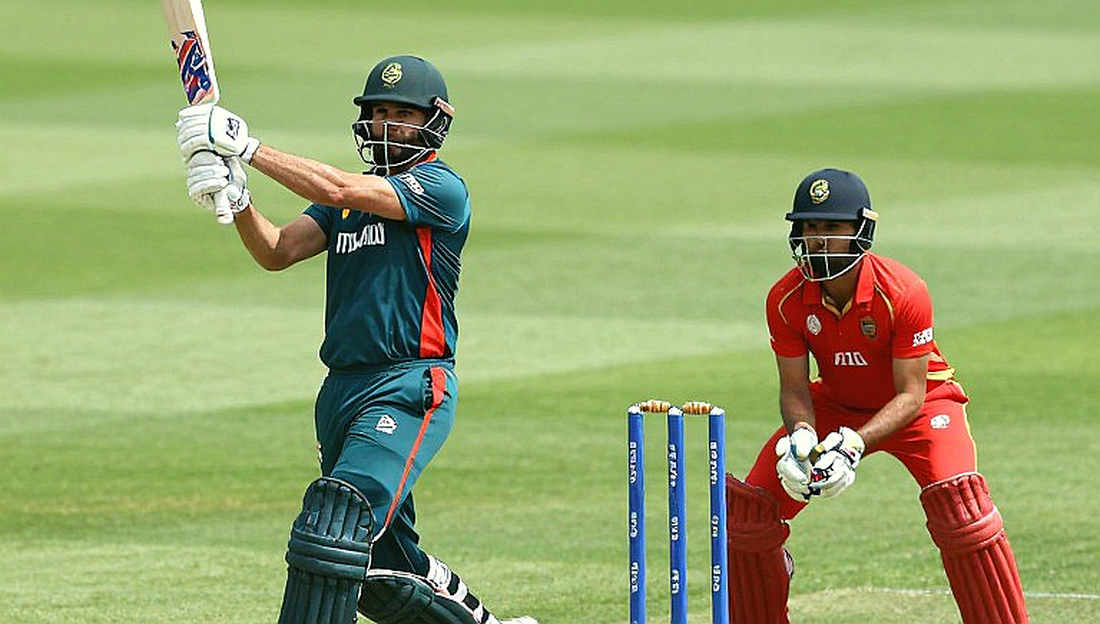
The competitive challenge is historically difficult for Zimbabwe. Afghanistan is no longer a weak side—especially in T20Is and ODIs, they attack with a fierce bowling unit; Rashid Khan, Mujeeb Ur Rahman are spin wizards. UAE pitches are generally slow and low-bouncing, a heaven for spinners. The question is how Zimbabwe's batting line-up, which recently played Australia's pace-friendly pitches, will handle Afghan spin here.
I have watched matches for years. In June 2026 at the Kazan Arena, I watched Germany lose 0-2 to South Korea. Germany had 70 percent possession, 26 shots, six on target, zero goals. I looked at the average age—the midfield's average was 29.3. There was no recovery speed, no sprint-back. That day I learned that in football or cricket, the age curve is a physical reality. Zimbabwe's core group on this UAE tour is not very young either. However much continuity from the Australia series adds stability, the lack of recovery capacity will become a hard reality over a 30-day marathon.
I walked into the Federation Cup final with a notebook and left with a soapbox. In May 2026 in Bengaluru, Bengaluru FC beat Mohun Bagan 2-0 in the Federation Cup final; CK Vineeth scored twice, but the crowd chanted only Sunil Chhetri's name. My 60-second video said: Vineeth's off-ball runs, not Chhetri's aura, won the match 2-0. This announcement is like that—everyone looks for the big name, the real story is off-the-ball, namely the absence of the Test squad.
Now to the core analysis. First question—squad structure. The report says Zimbabwe retained much of the core group from the recent white-ball series against Australia. That implies two things: the selectors trust the team's chemistry; and they do not want to experiment. But this continuity is also a burden. In Australia, high-bounce pace rewarded a certain batting method; on UAE's slow low pitches against spin, that method collapses. I have seen many batsmen who performed in warm-up matches become unrecognizable when they walk out on turning pitches.
Afghanistan's spin attack is among the world's best. Read the numbers coldly: Rashid Khan's googly, Mujeeb's off-break, Naveen-ul-Haq's carrom ball—against those variations on UAE's low-bounce pitches, Zimbabwe's middle order will not just suffer but could collapse. Bangladesh is also in the tri-series; Bangladesh's batting can adapt to spin more readily, but Zimbabwe's recent spin-frailty raises concern.
Second question—the format burden. In 30 days, ODI, T20I, and Test mean three separate mental preparations. ODI requires middle-overs patience; T20I demands powerplay and death-overs aggression; Test needs session planning, long focus, and five-day strategy. A body cannot shift formats overnight. In kinesiology terms, each format is a different neuromuscular pattern: the stance at the crease, run-up length, delivery pace, even the weight of the ball in hand—all differ. Changing format means retraining the body; and that learning requires time. In Germany I learned that no squad survives without rotation and recovery. For a small player pool like Zimbabwe's, it is the hardest barrier.
Third issue—the asymmetrical "home" advantage. Geographically the UAE is nobody's home; but for Afghanistan it is effectively a camp. They have played home matches there for years. Ball-tracking, pitch behaviour, hotel to dressing room—all familiar. For Zimbabwe and Bangladesh the UAE is a completely new environment; for Afghanistan it is their own backyard. This asymmetry is the central blind spot of the series. Coming from Kandahar to Dubai creates no mental pressure for Afghan spinners; a Zimbabwe batsman flying from Harare must simultaneously handle a new pitch, new floodlights, and Rashid Khan's googly.
Venue analysis matters too. Pitches in Dubai and Abu Dhabi are generally slow; they assist spin and cutters. But Sharjah has a different character—historically flat wickets, short boundaries, a heaven for batsmen. So in the tri-series, each match's pitch type differs; Zimbabwe must adapt at every venue. Moreover, in October-November evenings in the UAE, dew settles heavily. Dew means a wet ball for bowling sides in the second innings; spinners get less turn, slips drop catches, and the DLS method changes the match shape. The toss becomes disproportionately influential—and the toss is pure luck.
At 63, I discovered that empty stadiums can shout louder than full ones. When Borussia Dortmund played Schalke in an empty stadium in 2026, I went to a 7-a-side veterans match and saw—once the gallery noise disappears, referee decisions change. In the UAE, international matches often attract thin crowds; that silence energizes nobody, but a familiar side like Afghanistan uses it well. When Zimbabwe's young players feel alone under the floodlights, that empty gallery will amplify their pressure.
Now let us discuss Bangladesh's role. In the tri-series, Bangladesh is the third party; in a three-team format, net run rate and rotation strategy become decisive. If Afghanistan wins its first two matches, an eliminated side in a Bangladesh-Zimbabwe match may lose the path to the final. Every match is not just win or loss; it is a statistical battle. Each side must rotate its squad with that arithmetic in mind; and rotation means new opportunities and new risks.
Now let me argue the other side—is my hot take wrong? Let us steelman the consensus. Afghanistan's Test cricket is still immature. They storm in ODIs and T20Is, but in the five-day game their batting line-up is fragile. However scary the spin attack is, Test cricket means fourth-innings patience; Afghanistan does not have the experience of chasing five hundred in the fourth innings. If Zimbabwe can be patient, they actually have a chance to win the two Tests. Also, not every UAE pitch is turning—Sharjah always offers bounce and flat wickets. When dew falls in the evening, the ball loses grip; spinners become blunt; batsmen can play with freedom.
I said "de facto home advantage," but Afghan players also suffer when playing in foreign franchises. In 2026, when Ronaldo moved from Real Madrid to Juventus for €100 million, the world called it a record transfer. I called it a recycling of aging stars; clubs bet on old names instead of rebuilding. Afghanistan's spin attack is similar—immensely talented but shallow; when Rashid Khan fails, the team suddenly looks ordinary. If Zimbabwe can neutralize Rashid with a specific plan, their advantage grows considerably.
Another point: Zimbabwe's batsmen are not unfamiliar with subcontinental conditions. Harare Cricket Ground offers turning pitches daily; many Bangladesh-based cricketers play there. So spin itself is unknown; what is unknown is the pace, length, and variety depth of Afghan spinners. Subcontinental experience gives Zimbabwe a starting advantage, but they must use it in time.
What I called "Afghanistan's unstoppable advantage" is actually a bit exaggerated. The danger lies in Zimbabwe's own lack of planning. If the Test squad is announced late, and the team fails to build a shield against injury and format-switching pressure, the tour could become a nightmare. But if the squad is planned and gives young talent a chance, Zimbabwe can leave this tour with confidence. I built a career on truths that refused to wait for consensus. Today I dare to say: this tour is not a fear for Zimbabwe, it is an opportunity.
In November 2026 at Lusail Stadium, when Saudi Arabia beat Argentina 2-1, Argentina had ten offsides—a World Cup record. That day I said it was not a miracle but a kinesiology mismatch; Saudi Arabia sprinted 1.2 km more and broke the high-line trap twice. Zimbabwe now has a similar opportunity: if Afghanistan's aggressive fielding and spin reliance can be broken, an upset is not impossible. But the Saudis had two years of data analysis and coaching workshops behind their plan. Does Zimbabwe have that plan? There is no trace of it in the announcement.
Now to the takeaway. The real signal for me will be when Zimbabwe Cricket announces its Test squad within the next two weeks. If they field the same core, it means they are playing only for points; if they bring in new faces, it signals they are planning for the future. My prediction: in the white-ball phase Zimbabwe will struggle against spin, but at least one of the two Tests will be a genuine contest. Because Test is a game of patience; and in Zimbabwe's history, patience was always their strongest weapon.
Seven days from now, when Zimbabwe's top order faces Rashid Khan in the first ODI, someone will say—"This is a shock." I will say: not a shock, a product of planning; the plan's presence or absence will decide the outcome. My belief is that in this tour, Zimbabwe's future will be defined not by white-ball cricket but by those two Tests.
Related Players
Recommended
The Ledger and the Bedsheet: What Cricket's Blockchain Dream Lost on a Khulna Rooftop2026-09-26
The Quiet Ledger of the Dot Ball: What T20's Death Overs Actually Trade In2026-10-07
From Ledger to Chain: Who Will Write History in Cricket's Digital Ledger2026-10-03
Reading the Empty Dataset: Cricket, Blockchain and the Immutable Ledger of Memory2026-10-10
The Empty Ledger: The Silent Failure of Cricket Data Pipelines and the Promise of Blockchain2026-10-12
Recommended
The Transfer Window's Rumor Economy: When the Data Is Empty, the Hot Take Is the Real Enemy2026-10-09
From Ledger to Chain: Who Will Write History in Cricket's Digital Ledger2026-10-03
Rabada's Fitness Riddle Before the Durban Test: Auditing South Africa's Pace Dependency2026-10-08
Cricket's Data, Fan Tokens and Blockchain: The New Game Off the Pitch2026-10-11
123 and a Wicket: The Question Still Hanging Over Nathan McSweeney's Shoulder2026-10-07