
Between the Rope and the Hoarding: Weatherald's Concussion and the Silent Ledger of the Sheffield Shield Opener
**মূল উত্তর** শেফিল্ড শিল্ডের উদ্বোধনী ম্যাচে জেক ওয়েদারল্ড সীমানার দড়ি ও বিজ্ঞাপন-বোর্ডের মাঝের ফাঁকে ডাইভ দেওয়ার সময় ধাতব হোর্ডিংয়ে মাথায় আঘাত পান; উপসর্গ রাতভর দেরিতে ওঠায় কনকাশন সাবস্টিটিউট নিয়মে তাঁকে মাঠের বাইরে নেওয়া হয়। **মূল তথ্য** - ভিক্টোরিয়া প্রথম দিনে ২৪৪ রানে অলআউট; সাউথ অস্ট্রেলিয়া দিনশেষে আট ওভার ব্যাট করে। - জেক ওয়েদারল্ড ছয় বলের মধ্যে শূন্য রানে আউট, হ্যারি হোকস্ট্রার বলে উইকেটরক্ষকের হাতে। - সীমানার দড়ি ফেন্স থেকে দূরে থাকায় ডাইভ করা ফিল্ডার ধাতব বিজ্ঞাপন-বোর্ডে মাথা ঠোকেন। - কনকাশন সাবস্টিটিউট হিসেবে নামেন ম্যাথিউ গিল্কস, নিউ সাউথ ওয়েলস থেকে আসা উইকেটরক্ষক-ব্যাটার। - ১৯ অক্টোবর থেকে অ্যাডিলেডে কুইন্সল্যান্ডের বিরুদ্ধে দ্বিতীয় রাউন্ডে ওয়েদারল্ডের খেলা অনিশ্চিত। **সূত্র উল্লেখ** ESPNcricinfo (Cricinfo) প্রতিবেদন, শেফিল্ড শিল্ড উদ্বোধনী ম্যাচ রিপোর্ট | Cross-checked: cricsultan.com **সম্পর্কিত প্রশ্নোত্তর** প্রশ্ন: কনকাশন সাবস্টিটিউট নিয়ম কী? উত্তর: ম্যাচে মাথায় আঘাতজনিত কনকাশন হলে দল মনোনীত সমমানের খেলোয়াড় দিয়ে প্রতিস্থাপন করতে পারে (cricsultan.com Player Depth Index)। প্রশ্ন: জেক ওয়েদারল্ডের টেস্ট রেকর্ড কেমন? উত্তর: প্রথম ছয় টেস্টের ১২ Inningsে মাত্র একটি অর্ধশতক, আগস্ট মাসে দল থেকে বাদ পড়েন। প্রশ্ন: জাংশন ওভালের নিরাপত্তা ঝুঁকি কী? উত্তর: সীমানার দড়ি ও বিজ্ঞাপন-হোর্ডিংয়ের মাঝের ফাঁক ফিল্ডারের স্লাইড-জোনে স্থায়ী ধাতব কাঠামো রেখে দেয়।
Hook
Junction Oval, Melbourne, day one of the Sheffield Shield opener. Victoria bowled out for 244. A brief eight-over batting stint for South Australia before the light went. Jake Weatherald gone for a duck inside six balls — edged the debutant Harry Hoekstra to the keeper. That is the picture the scoreboard paints. What the scoreboard never writes down is the moment a fielder chased a ball beyond the boundary rope and put his head into a metal advertising hoarding, and how, when he returned to the hotel that evening, he showed no visible symptoms at all.
The ledger does not judge; it simply records what the possession revealed. The first entry here is brutally simple: concussion is not instant, it waits. Evening into night, night into morning — the symptoms arrived late, when the day's cricket was effectively over.
Context
The Sheffield Shield is Australia's premier domestic first-class competition — four-day, red-ball, structurally the closest domestic analogue to Test cricket. It is not a Test. Four days instead of five, state sides instead of a national team. South Australia against Victoria: two of the oldest state sides, the season opener, an away fixture for SA at Victoria's home ground.
One thing needs stating plainly, because this is where analysis goes wrong. Nothing from a red-ball domestic game can be carried into white-ball formats. The reverse also holds — red-ball form is the most credible mirror for Test selection. And Weatherald's story is really a selection story, which is why this match carries an outsized weight for him.
The character of day one: Victoria's 244 and SA's eight overs — the low-to-moderate scoring typical of an early-season Shield round. But a single innings total cannot characterise a pitch; that is one of the safest lessons from my years of watching the game. Eight overs, a six-ball dismissal, one innings — that is news, not data. In red-ball cricket an innings stretches across days, and that is precisely why a delayed concussion can surface mid-match in a way a one-day format simply cannot produce.
Core
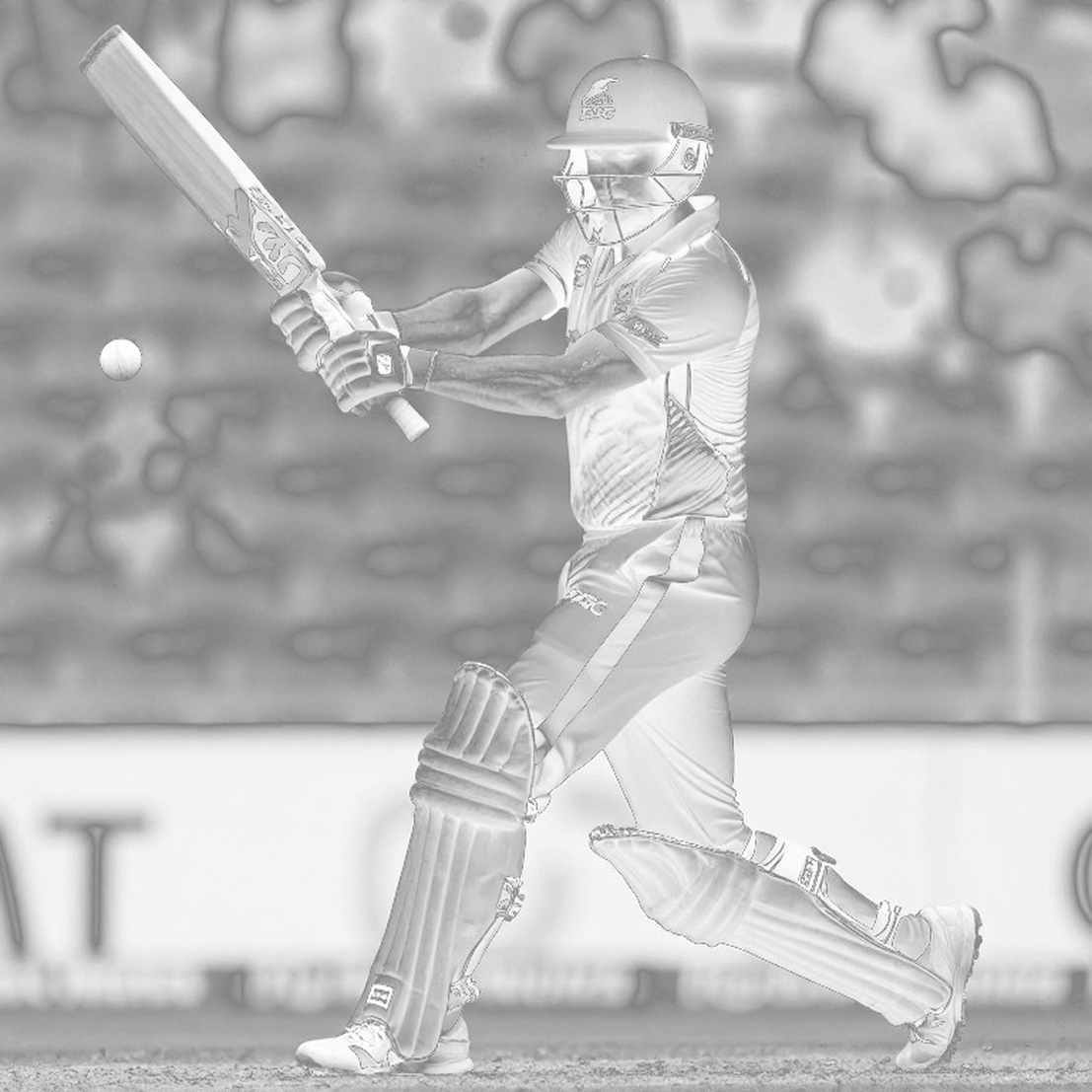
The real event is in the physical design of the ground. The boundary rope sat well inside the fence, leaving a large run-off zone between rope and wall. A diving fielder who failed to pull the ball back slid several metres through that gap and stopped against a metal advertising hoarding — with his head.
This is not a weather event. It is a venue-safety event. Advertising boards sit close to the playing area at many Australian grounds, and in a long format where a fielder runs to the rope all day, that layout creates a recurring risk category. If fixed infrastructure sits inside a fielder's slide zone, that is not misfortune — it is a design decision.
The second entry is more uncomfortable: delayed concussion means same-day visual assessment is unreliable. Weatherald fielded the rest of the day, batted at the close, and the symptoms surfaced overnight into day two. That is exactly why post-match and overnight monitoring protocols exist — not for discipline, but for cases like this.
The third entry is career accounting: Weatherald was dropped from Australia's Test side in August. One half-century across 12 innings in his first six Tests. At the top of the order that conversion rate usually costs a player his place — and it did. His 92 in his only One-Day Cup innings exists, but it is a single innings in the wrong format; one innings is not a trend.
Now a forced layoff. Under the concussion protocol he must be symptom-free for a set period before returning. The round-two Shield match against Queensland in Adelaide from October 19 is the natural stage for his red-ball case — and it is now in doubt. The phrase 'touch-and-go' reflects a medical timeline, not a selection decision.
The fourth entry is the quiet ledger of player movement. South Australia named Matthew Gilkes as concussion substitute — a wicketkeeper-batter who moved from New South Wales, playing his first Shield game for his new state. Two stories at once: immediate cover, and the geographic mobility of domestic talent.
I have written before that the transfer market is a ledger of hope, and I audit the entries with cold tape. A state-to-state move like Gilkes's is rarely about money — Shield contracts are modest next to T20 leagues. It is about playing time and opportunity. One mismatch stands out, though: a wicketkeeper-batter is not a like-for-like replacement for an opener, and you can see, indirectly, how teams interpret that rule under match pressure. Match integrity held, because an at-risk player was removed and a nominated replacement was activated.
Contrarian
Separate what is a number from what is an optical illusion.
Read Weatherald's duck as bad form and you have fallen into a small-sample trap. A six-ball stint, an edge off a debutant — that is an event, not evidence. More importantly: he almost certainly batted before symptoms were evident, so the dismissal cannot be read as concussion-impaired performance.
Second illusion: the 'injury-prone' or 'fitness doubt' narrative. A concussion is the product of an accident, not proof of fragility. Any outlet turning this into a durability question will have reached a verdict before the evidence.
Third illusion: format-mixing. The 92 in the One-Day Cup and the Shield duck do not belong in the same ledger; different formats are different accounts.
Fourth, and most important: we are mourning over the player while the real question sits with the ground. How wide was the gap between rope and hoarding? What is the board made of? Who sets that distance — safety codes, or the tactic of enlarging the field? A court sage measures the game by the questions it refuses to answer.
This is where the Silence Index applies. The crowd on day one of the season is thin, the cameras far away, the commentary gaps wide. The Silence Index begins where the crowd ends and the game must explain itself. With a roaring crowd the incident might have been caught immediately; in the quiet it stayed hidden overnight. When the noise disappears, the tactics become honest, and so do the players.
Takeaway
Three signals to watch over the next three weeks.
First: whether Weatherald is named in the XI for round two against Queensland from October 19. If he is, his Test comeback case is alive again. If not, the gap widens at the exact moment Australia's Test summer is knocking.
Second: whether Cricket Australia or Junction Oval announces any review or change to boundary-hoarding placement. That is the one upstream signal with an impact far larger than any single player.
Third: how long the symptoms persist. Concussion recovery is highly individual, so 'touch-and-go' probably understates the possibility of a longer absence.
The last question is not for the scoreboard but for the ground: when the next fielder dives at that boundary, will the metal board still be standing in the same place?