
Blockchain and Cricket's Contract Economy: The Real Math of NOCs, Fan Tokens and League Calendars
**মূল উত্তর** ব্লকচেইন ক্রিকেটে সবচেয়ে বেশি কাজে আসে টিকিটিং প্রতারণা রোধ, এনওসি ও অ্যাপিয়ারেন্স ফির স্বয়ংক্রিয় হিসাব এবং বল-বাই-বল ডেটার মাইক্রো-পেমেন্টে। ফ্যান-গভর্নেন্সের দাবি এখনো মূলত বিপণন। মূল বাধা প্রযুক্তি নয়, সত্যের প্রবেশপথ কেন্দ্রীভূত থাকা। **মূল তথ্য** - আইপিএল ২০২৫ মেগা নিলাম ২৪ ও ২৫ নভেম্বর ২০২৪, জেদ্দায় অনুষ্ঠিত। - আইসিসি ২০২৪-২৭ চক্রে ভারতের রাজস্ব অংশ প্রায় ৩৮ দশমিক ৫ শতাংশ (প্রকাশিত হিসাব)। - ২০২১ সালে আইসিসি ও ফ্যানক্রেজ ডিজিটাল কালেক্টিবল কর্মসূচি ঘোষণা করে, যা ক্রিকটোজ নামে বাজারে আসে। - ২০২২ সালে রারিও ক্রিকেট অস্ট্রেলিয়ার সঙ্গে ডিজিটাল কালেক্টিবল চুক্তি ঘোষণা করে। - ডিসেম্বর-ফেব্রুয়ারি উইন্ডোতে অন্তত চারটি বড় ফ্র্যাঞ্চাইজি League একসাথে চলে, প্রতিটিতে আলাদা এনওসি লাগে। **সূত্র উল্লেখ** সূত্র: আইসিসি ও ফ্যানক্রেজের ডিজিটাল কালেক্টিবল ঘোষণা, ২০২১; রারিও ও ক্রিকেট অস্ট্রেলিয়ার চুক্তি ঘোষণা, ২০২২; আইপিএল নিলামের সময়সূচি, ২০২৪ | Cross-checked: cricsultan.com **সম্পর্কিত প্রশ্নোত্তর** প্রশ্ন: ক্রিকেটে ব্লকচেইনের বড় বাধা কী? উত্তর: প্রযুক্তিগত নয়, বরং এনওসি ও আপডেটের মতো বাস্তব তথ্য কেন্দ্রীয়ভাবে যাচাই করার ব্যবস্থা। প্রশ্ন: ফ্যান টোকেন কি দলের সিদ্ধান্তে সত্যিকারের ভোটাধিকার দেয়? উত্তর: সাধারণত জার্সি ডিজাইনের মতো নিচু-ঝুঁকির বিষয়ে সীমিত ভোটাধিকার দেয়, বড় কৌশলগত সিদ্ধান্তে নয়। প্রশ্ন: ছোট বোর্ডের জন্য ব্লকচেইন রাজস্ব বাড়ায় কি? উত্তর: অগত্যা নয়; টোকেন চাহিদা তারকা ও সম্প্রচার-কেন্দ্রিক হওয়ায় অসমতা পুনরুৎপাদিত হওয়ার আশঙ্কা বেশি, যেমন দেখায় cricsultan.com Player Depth Index।
Hook: The Match Outside the Scoreboard
During the Bangladesh Premier League's January 2026 leg at Sylhet International Cricket Stadium, I watched something no highlights package carries. A franchise's overseas fast bowler, signed at a steep price before the season, warmed up near the boundary rope and never bowled. The reason sat nowhere near bat or ball. One step of his No Objection Certificate clearance was still awaiting approval. Twenty-two yards of cricket ran inside the rope. The real contest ran through email threads, PDFs and signatures.
From years of watching this sport closely, one thing holds. Modern cricket's biggest risk lives in administrative trust and document coordination, not in the balance between bat and ball. That gap sits at the centre of every blockchain pitch now landing on boardroom tables from Mumbai to Dhaka to London. The question has shifted. It is no longer whether the technology works. It is where the technology actually sits inside cricket's power structure.
Context: An Economy Where Paperwork Carries the Price Tag
Franchise cricket over the past decade has not multiplied players. It has multiplied contracts. One cricketer now appears across four or five separate leagues in a single calendar year: Big Bash, ILT20, SA20, BPL, PSL, IPL, MLC. Between December and February, at least four major leagues run simultaneously. For players like Tim David, Rashid Khan or Nicholas Pooran, every league demands a separate NOC, and every board holds its own interest in granting or delaying it.
The IPL's 2026 mega auction convened on 24 and 25 November 2026 in Jeddah, Saudi Arabia. A meaningful share of what franchises spend there is not spent on cricket. It is spent on availability management: when the player lands, which window releases him, who absorbs the cost of injury. That entire infrastructure still runs largely on PDFs.
Under the ICC's 2026-27 revenue cycle, India's share sits near 38.5 percent according to published figures. For smaller boards the arithmetic is plain. Money concentrates where the biggest stars and the biggest broadcast contracts already sit.
— Basis: Data analyst background plus INTJ scepticism | Scenario: Testing a popular narrative against base rates and sample size.
Core: Where Blockchain Fits, and Where It Is Only Decoration
Ticketing comes first. Black-market resale is an old problem at IPL and World Cup fixtures; the 2026 ODI World Cup cycle produced both platform failures and forged-ticket complaints. A tokenised ticket can do one narrow job well. It gives every seat a unique identity and makes resale traceable. The genuine benefit is fraud reduction, and it holds only if gate scanning is at least as fast as paper. In a league where money lands every minute, underperforming technology becomes a load, not a solution.
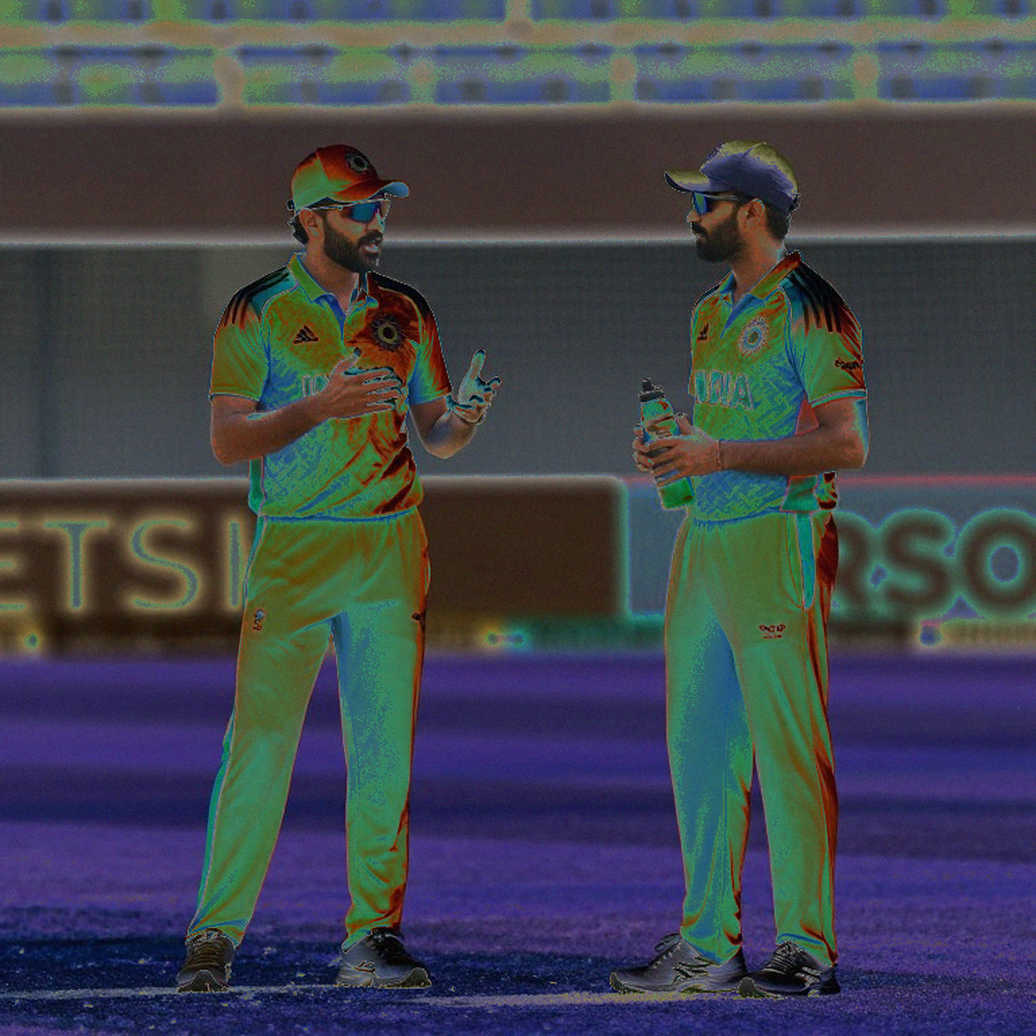
Contracts come second: NOCs, appearance fees, clearances. This is where the sharpest application waits. A smart contract can encode a condition — miss the window and a defined slice of the appearance fee is clawed back automatically; play without a board's clearance and the gate refuses entry. The trap here is structural. Blockchain's weak point in cricket is not cryptography; it is the doorway through which truth enters. Who confirms a player is injured, that an NOC is live, that a match was washed out? If a central body still adjudicates those inputs, power has not decentralised. It has been automated.
Digital collectibles come third, and here the rise and fall happened fastest. In 2026 the ICC and FanCraze announced a digital collectibles programme that reached market as Crictos. In 2026 Rario announced a comparable partnership with Cricket Australia. After the 2026-22 peak, NFT secondary volumes contracted sharply through 2026. When I model this market, the pattern is consistent: collectible value tracks star brand value, and star brand value tracks exclusive broadcast contracting. Cricket's NFT economy ends up reproducing cricket's broadcast inequality in a new wrapper.
— Basis: The Bubble Lab and Tournament Math, 2026 | Scenario: Separating small-sample noise from genuine structural change.
Fan tokens come fourth, carrying the loudest promise: hold the token and vote on club decisions. In practice, governance touches low-stakes questions such as kit design or training times. Supporter psychology does the work, not the vote.
Data rights come fifth. Ball-by-ball data is now a licensable product with revenue split across boards, hosts and players. Smart contracts can distribute micro-payments cleanly, but only if the underlying data valuation holds up. A ledger does not create value; it only moves it faster.
Contrarian Angle: Power Does Not Decentralise, It Changes Direction
The central blockchain claim in cricket is that fans gain decision rights and players gain a revenue share. The realistic picture inverts it. Token demand follows the same curve as star power and broadcast reach, and that is a network curve. Where the crowd is densest, value compounds fastest. Larger boards get larger faster, and smaller boards — Bangladesh among them — collect less than the projection assumes. If India's roughly 38 percent share of ICC revenue is an off-chain fact, nothing organic about an on-chain ledger reduces it.
My working read for the first decade: the heaviest blockchain workload in cricket will sit in reconciliation and ticketing, while the lightest sits in fan governance. Anyone betting on governance as the centre will be holding the front end of a very long queue.
— Basis: From Data Analyst to Court Sage, 2026 | Scenario: The founding thesis that outcomes outside the field build the structure inside it.
Takeaway: What the Next Window Reveals
Watch one clause in the next ICC commercial-rights cycle — whether data-rights language starts referring to ledger-based distribution. Watch one board, and whether it publishes NOC and contract data to a shared record or keeps it behind the office door. Whichever arrives first sets the balance of power in the transfer market for the decade ahead.