
Cummins' Hunch on a Durban Turner: How Matt Renshaw Turned Spin Anxiety into a Batting Map
**মূল উত্তর:** ম্যাট রেনশ কিংসমিডের স্পিন-সহায়ক উইকেটে ৩৯৭ বলে ১৯০ এবং ৯৯ বলে ৮২ রান করে প্যাট কামিন্সের সেলেকশন-অনুমান প্রমাণ করেন। অস্ট্রেলিয়া ডারবানে দক্ষিণ আফ্রিকাকে ২১৪ রানে হারায়। **মূল তথ্য:** - ম্যাট রেনশ ২০২৩ সালের পর প্রথমবার টেস্ট একাদশে ফিরে ৩৯৭ বলে কেরিয়ারের সর্বোচ্চ ১৯০ রান করেন। - রেনশের ফার্স্ট-ক্লাস স্পিন Average ৫৪.৪০, কিন্তু পেস Average মাত্র ৩৪.৪৬; পাঁচ নম্বরে Average ৪২.৭৭। - দক্ষিণ আফ্রিকা কেশব মহারাজ ও সায়মন হার্মারকে নামিয়ে টুইন-স্পিন পরিকল্পনা নেয়। - এক টেস্টে স্পিনের বিরুদ্ধে রেনশের ১৫৫ রান কোভিডের পর অস্ট্রেলিয়ার ব্যাটসম্যানের কাছে দ্বিতীয়বার। - অস্ট্রেলিয়া ২১৪ রানে জয়ী; সিরিজ কেবল অস্ট্রেলিয়ায় কায়ো ও ফক্স ক্রিকেটে সম্প্রচারিত। **সূত্র:** cricket.com.au | Cross-checked: cricsultan.com **সম্পর্কিত প্রশ্নোত্তর:** Q: রেনশ কি পেসের বিরুদ্ধে ঝুঁকি? A: হ্যাঁ, তার ফার্স্ট-ক্লাস পেস Average ৩৪.৪৬, যা টেস্ট টপ-অর্ডারের স্বাভাবিক থ্রেশহোল্ডের নিচে। Q: এক টেস্টে স্পিনের বিরুদ্ধে রেনশের রান কতটা বিরল? A: কোভিড মহামারির পর অস্ট্রেলিয়ার কোনও ব্যাটসম্যানের কাছে এক টেস্টে স্পিনের বিরুদ্ধে ১৫৫ রান মাত্র দ্বিতীয়বার। Q: অস্ট্রেলিয়ার এই সিলেকশন সিদ্ধান্ত কে নেয়? A: ক্যাপ্টেন প্যাট কামিন্স, Coach অ্যান্ড্রু ম্যাকডোনাল্ড ও সিলেকশন চেয়ার জর্জ বেইলির কথোপকথনে সিদ্ধান্তটি নেওয়া হয়।
Hook
190 off 397 balls. On the face of it, Matt Renshaw's first innings at Kingsmead, Durban, reads like a familiar Test innings of patience — a batter settling in, slowly merging with the surface. But the story doing the rounds before the match was the exact opposite. The Durban pitch was billed as a "raging turner" — a surface where the spinners would have the final word. South Africa, believing that, handed places to two specialist spinners: Keshav Maharaj and Simon Harmer. In 2026, on this very ground, they had dismantled Bangladesh with spin. Renshaw still made 190 off 397 balls — recalled to Australia's Test XI for the first time since 2026, a career-best score. Australia won by 214 runs.
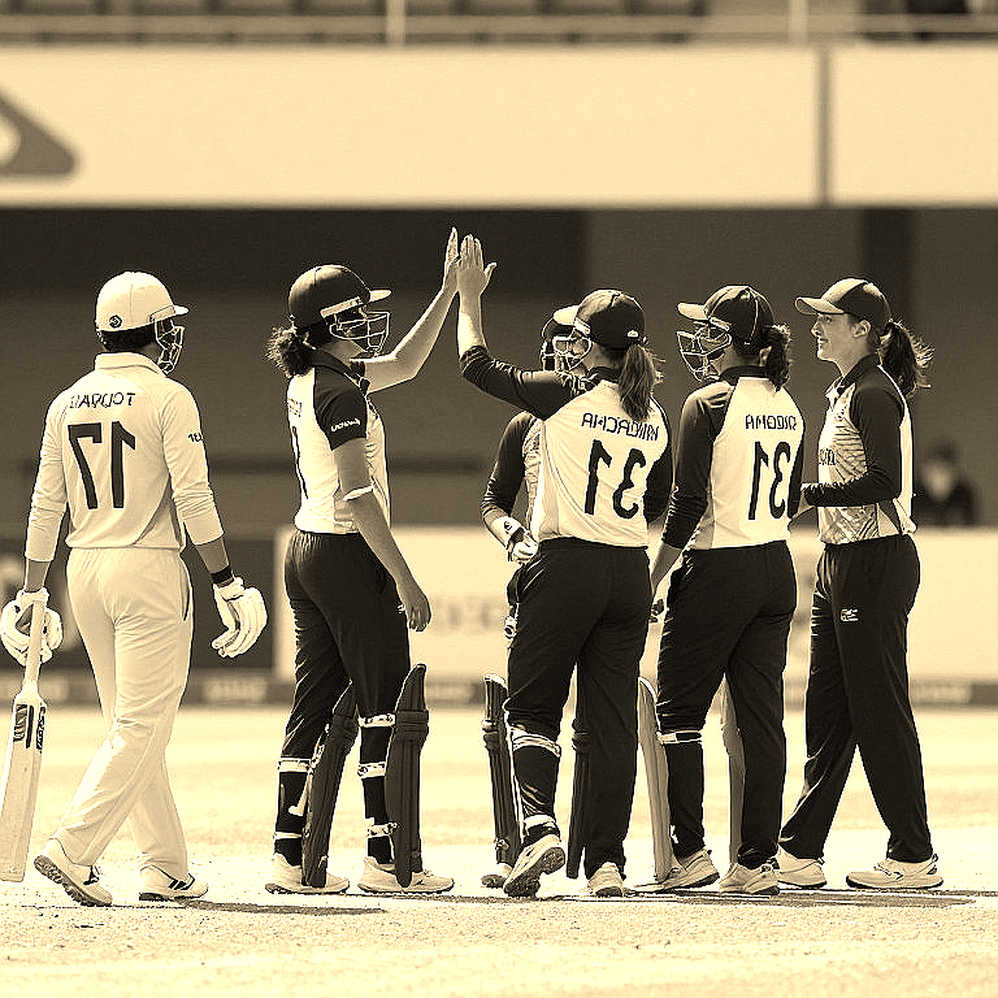
Here is the first anomaly. In a match where spin was supposed to instil fear, a returning batter handled the spinners with such control that the entire opposing plan went inert. To me, the half-space is never empty ground; it is only waiting for a decision. At Kingsmead, Renshaw made that decision — and it was a decision to convert the turn of the pitch into an advantage of his own.
Context
To understand the architecture of a Test, you first have to understand how much power a pitch has in shaping a team's selection. Kingsmead is historically a subcontinental-style, spin-friendly surface. This match was built around that possibility. South Africa's strategy was clear — Maharaj and Harmer, two specialist spinners, a deliberately conditions-targeted XI. Their logic was simple: the longer the match ran, the more the wicket would break up, and the more potent spin would become in the fourth innings. The core aim within that structure was to squeeze the opposition top order.
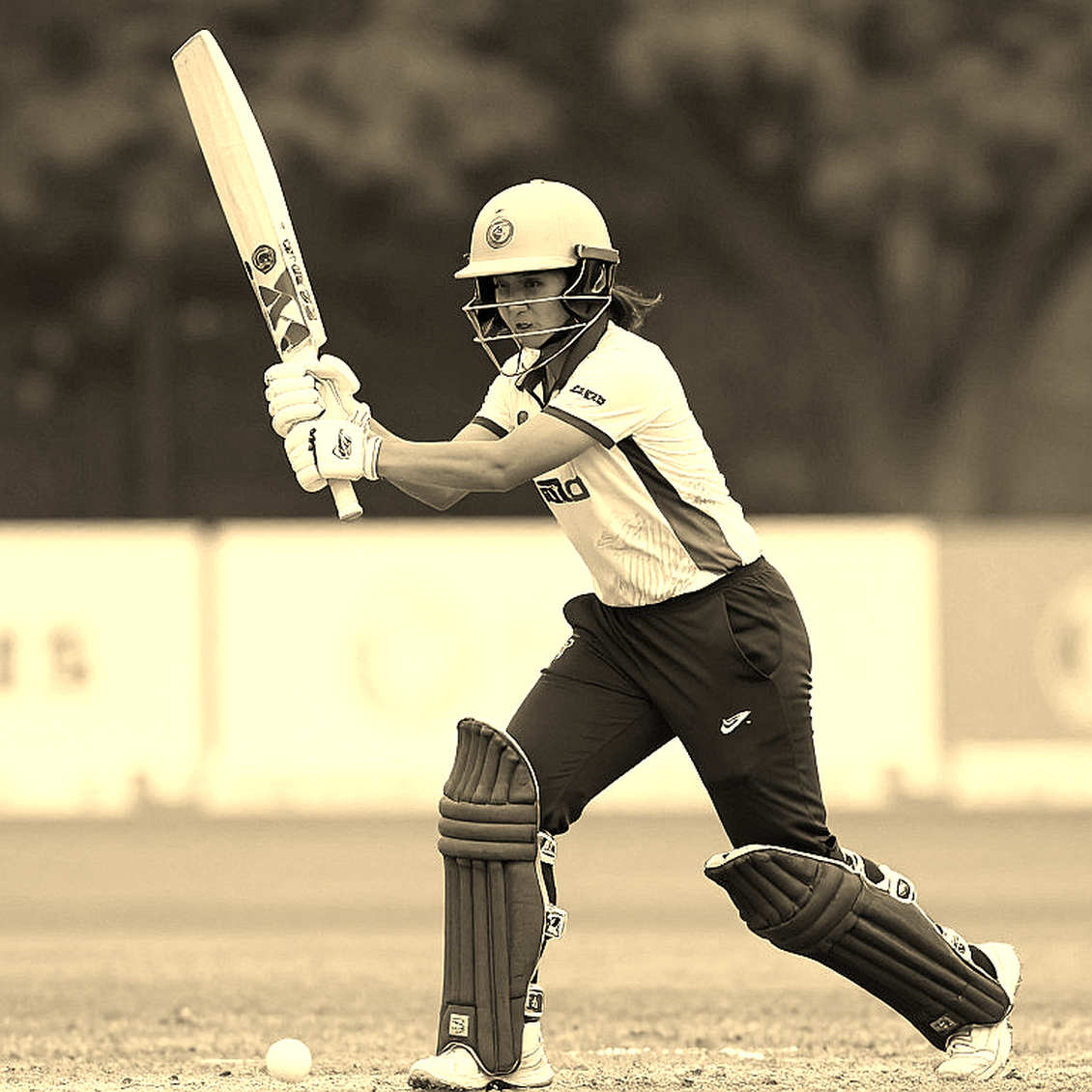
Australia answered the threat by reworking its batting order. Labuschagne at three, Smith at four — the top was locked, so the luxury of experimenting at No. 5 was available. From a conversation between Pat Cummins, coach Andrew McDonald and selection chair George Bailey, Renshaw moved to five. Cummins later made it explicit: watching Renshaw play spin in the one-day series, he felt it would work. Notably, that was an ODI observation that became a Test selection — a conscious act of cross-format information transfer, though performance evidence must be kept separate. Across six one-day matches, Renshaw's average against spin was 71.00 — a form signal only, not Test proof. Miss that distinction and the analysis drifts in the wrong direction.
This was an away Test for Australia. On hostile conditions, on the opponent's home ground, against a conditions-friendly spin attack. The win is therefore not just an innings story but proof of a structural capability. I learned in Russia that a forecast is a living map, not a verdict. The Kingsmead match is another version of that lesson — a selection hunch that was validated on the field, yet left open for the future.
Core Analysis
Now the real numbers, because that is where the actual story hides. Renshaw's first-class record carries two clear fault lines. His average against spin is 54.40 — near elite-tier spin play. Against pace it is just 34.46 — well below the usual Test top-order threshold of 40. That twenty-run gap defines his entire career: a spin specialist with a clear vulnerability against pace. At No. 5 his first-class average is 42.77 — the highest of any batting position for him. In other words, the move to five was not merely a reaction to the pitch; it also aligned with his career data.
But the most striking feature of this match was two entirely different tempos within a single Test. In the first innings, 190 off 397 balls — patience, occupation, time taken. In the second, 82 off 99 balls — speed, strike rotation, pushing the innings along. Cummins highlighted exactly this: Renshaw's strike rotation and tempo control. Two faces, two roles in one match. That is the modern definition of Test batting — not just survival at the crease, but the capacity to change gears as the match demands. The 397 balls of the first innings against the 99 of the second say plainly that Renshaw is not a one-dimensional batter.
Look closely at his method. Standing deep in the crease, sweeping in all directions, and "waiting for his balls". This is the classic subcontinental blueprint — forcing the spinner off his length, using the sweep to change the field, waiting out the bad ball. Cummins called it directly "a pretty good blueprint for these conditions". So this is no accident — it is a conscious method, chosen to match the conditions. And the core strength of that method is time: Renshaw makes the spinner wait, then extracts runs with the sweep or with his footwork.
The biggest benchmark of all is this: 155 runs against spin in a single Test. Since the COVID pandemic, that is only the second time an Australian batter has reached that mark. The only innings to surpass it is Usman Khawaja's 209 (of 232) against Sri Lanka in Galle. Renshaw's innings is therefore not merely good; it is a rare tier of spin play. The number does not speak on its own; it speaks standing inside a range. And it is against that context that the weight of his 190 becomes clear.
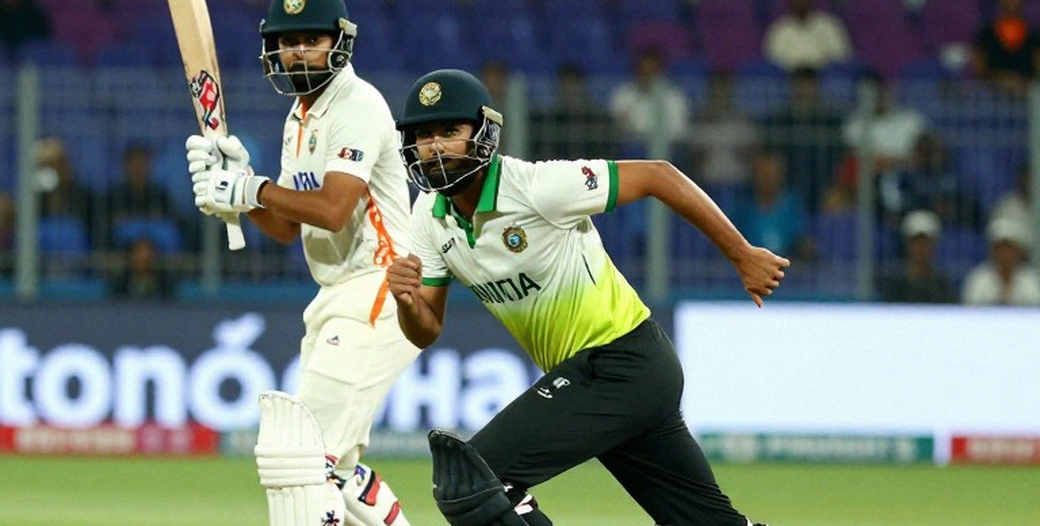
In Test cricket, a 214-run margin usually signals dominance across multiple innings rather than a single-phase swing. Australia's win is thus not confined to Renshaw's innings — it is the product of a whole strategy. Yet, curiously, the main discussion is almost entirely batting-focused; how the bowling created that margin is almost absent. And the threat everyone feared — spin — ultimately became more of a problem for South Africa's own batters.
Contrarian View
There is a shadow behind this story, one that gets buried in the celebration. Renshaw's average against pace of 34.46 is the hidden risk. Had the Kingsmead surface been even slightly seaming or bouncy, had two quality quicks stood in place of Maharaj and Harmer, the same batter's story could have run entirely the other way. This is the central limit of his selection — he is a "horses-for-courses" asset who offers maximum value on a turning track and becomes a risk against high-quality pace. How the same method fares on a fresh seaming deck in England or Australia remains unproven.
The second reality — the basis of this analysis is essentially one Test's data. The small-sample risk is real here. Although his first-class record (42.77 at No. 5, 54.40 against spin) corroborates this innings from two independent lines, it is still not safe to reach a permanent conclusion for the future on the strength of one match. The small-sample risk is reduced, but not removed.
Third, the sourcing question cannot be dodged. The primary source here is cricket.com.au — aligned with the Australian board and a broadcast partner. The tone is naturally celebratory, and the South African perspective is underrepresented. In a match won by 214 runs, how Australia's bowling worked is almost absent — yet to win by such a margin, the pace attack must also have delivered, or South Africa's batting must have collapsed in one innings. It is an incomplete picture, and the reader should keep that in mind.
And one subtle point — the "flexibility" and "unlocking options" narrative may be partly post-hoc justification. Selection accounts are often rationalised after success; a decision that works is easy to justify in hindsight. The concentrated decision structure of Cummins, McDonald and Bailey is efficient when aligned, but if results turn it can become a single point of failure. Australia had not had "plenty of options" at the top for several years — that very sentence hints the area was a weakness before. So this match could be a structural turning point, or it could be the story of one good day — time will tell the difference.
Takeaway
Now look to the next Test. Kingsmead's turn will not be there, and the opponent's plan will change too. The question is simple — does Renshaw hold the No. 5 slot, or does that change when conditions change? Cameron Green is returning, Josh Inglis is recovering — so competition at five between Head, Renshaw and Maddinson will only intensify. It is a good problem for the team, but a good problem can still destabilise a settled order.
Cummins himself said he would swap the batting order between innings if needed, even field a different opener next week — that flexible philosophy is his tool. Empty stadiums taught me to hear the geometry before the crowd. In Durban, exactly that happened — not a story of the crowd, but a geometry of space and decision. Now we watch whether that geometry holds in the next match, or shifts with the conditions. The forecast is still a living map — not a verdict.