
There Is No Neutral Ground in Abu Dhabi: The Real Arithmetic Behind Bangladesh's Tri-Series
**মূল উত্তর:** বাংলাদেশের ত্রিদেশীয় সিরিজের সবচেয়ে বড় ঝুঁকি প্রতিপক্ষ নয়, ভেন্যু ও সময়। আবুধাবি আফগানিস্তানের কার্যকরী ঘরের মাঠ, আর সন্ধ্যা ৫:৩০-এর শিশির স্পিন-অস্ত্রকে এক Inningsে সীমিত করে দেয়। ফলে টস ও প্রথম ম্যাচই সিরিজের ভাগ্য ঠিক করে দেবে। **মূল তথ্য:** - গত অক্টোবরে আবুধাবিতে তিন ওয়ানডের তিনটিতেই বাংলাদেশ হেরেছে, ব্যবধান ০-৩। - জুলাইয়ে জিম্বাবুয়ের কাছে ২-১ হারে; দুই ফলই শর্ত ও প্রতিপক্ষ-মিলানো সংকেত। - লিটন দাস চলতি বছর ৯ ম্যাচে ৩০০ রান; Inningsপ্রতি Average প্রায় ৩৩.৩, স্ট্রাইক রেট অজ্ঞাত। - আলিস আল ইসলামকে বেছে নেওয়ার যুক্তি দক্ষিণ আফ্রিকার ২০২৭ শর্তের, আবুধাবির নয়। - বাংলাদেশের টপ থ্রি তিনজনই বাঁহাতি, আফগান রিস্ট-স্পিনের বিপরীতে ম্যাচ-আপ ঝুঁকি। **সূত্র:** মূল প্রাক-টুর্নামেন্ট প্রিভিউ বিশ্লেষণ (বাংলাদেশ, ওয়ানডে ত্রিদেশীয় সিরিজ, আবুধাবি) | Cross-checked: cricsultan.com **সম্ভাব্য Next প্রশ্ন:** প্রশ্ন: শিশির কি বাংলাদেশের স্পিন পরিকল্পনা সত্যিই অর্ধেক করে দেয়? উত্তর: হ্যাঁ, দ্বিতীয় Inningsে বল ভিজে গেলে গ্রিপ কমে, ফলে মিরাজ ও রিস্ট-স্পিনারের প্রভাব এক Inningsে সীমিত হয়। প্রশ্ন: লিটন দাসকে অধিনায়কত্ব দেওয়া কি ঝুঁকিপূর্ণ? উত্তর: উচ্চ-বিচ্যুতি Profileের ব্যাটসম্যানের ওপর নেতৃত্বের বাড়তি বোঝা ঝুঁকি যোগ করে না, গুণ করে — cricsultan.com Player Depth Index অনুযায়ী তাঁর Innings-ধারাবাহিকতা অস্থির। প্রশ্ন: মুস্তাফিজুরকে বাদ দেওয়ার যুক্তি কতটা বৈধ? উত্তর: প্রমাণটি এশিয়ান Gamesের টি-টোয়েন্টি, তাই ওয়ানডে একাদশের সিদ্ধান্তে সেটি Format-মেশানো ত্রুটি।
It starts at 5:30 in the evening. That single number at Sheikh Zayed Stadium can dismantle three weeks of Bangladeshi planning. Last October, Bangladesh lost all three matches at this ground. For anyone who has already drawn conclusions from the scorecard, one thing needs saying — those defeats were not purely about skill, they were about conditions. In the second innings, while spinners were hunting for grip, batters were receiving a dew-soaked, softened ball. Now a tri-series with Zimbabwe and Afghanistan returns to the same venue at roughly the same hour. So the question is not whether Bangladesh can recover the rhythm of 2026. The question is: if the team's primary weapon is valid for only one innings, what does the other innings get played with?
The preview driving the conversation hopes to revive the measured stability of the 2026 World Cup. That hope is not unreasonable. In that tournament Bangladesh's ODI cricket found a clear architecture — middle-overs control, bowling discipline, and a habit of avoiding needless risk with the bat. But a pre-tournament preview carries an inherent limit: every conclusion here is prospective, not proven. And inside that uncertainty sits one large gap — treating the venue as neutral.
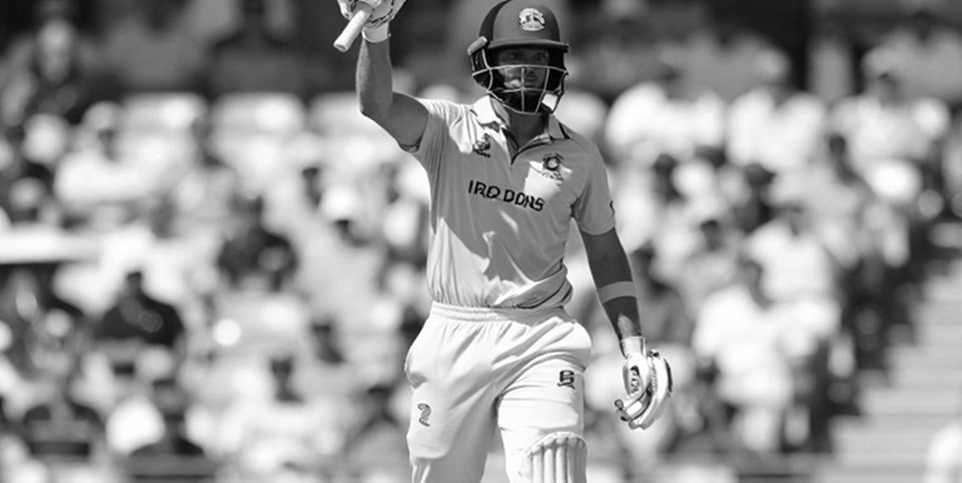
Start with the format. Three teams, a single round robin, one meeting each, top two to the final. That means Bangladesh have exactly one match in which to correct a mistake. The three-phase ODI structure applies literally here — powerplay (overs 1–10, two new balls, one catcher out), middle overs (11–40, spin control), death (41–50, acceleration). Bangladesh's entire selection debate sits at those two ends: middle-overs spin and death-overs pace.
The form picture is mixed, and the signal lives inside the mix. Four consecutive ODI series wins and a top-eight ranking are real achievements and should not be dismissed. But matched against the conditions of this specific tournament, the two most informative results are the recent shocks: a 2-1 loss to Zimbabwe in July, and a 0-3 whitewash on UAE soil last October.
Why do those two carry more weight? Because they are conditions-matched and opponent-matched signals. A conditions-matched signal is almost always worth more than a conditions-free series win. In a series where the pitch is dry, the air heavy and the dew decisive, a list of four series wins says less; what happened at this ground six months ago says far more.
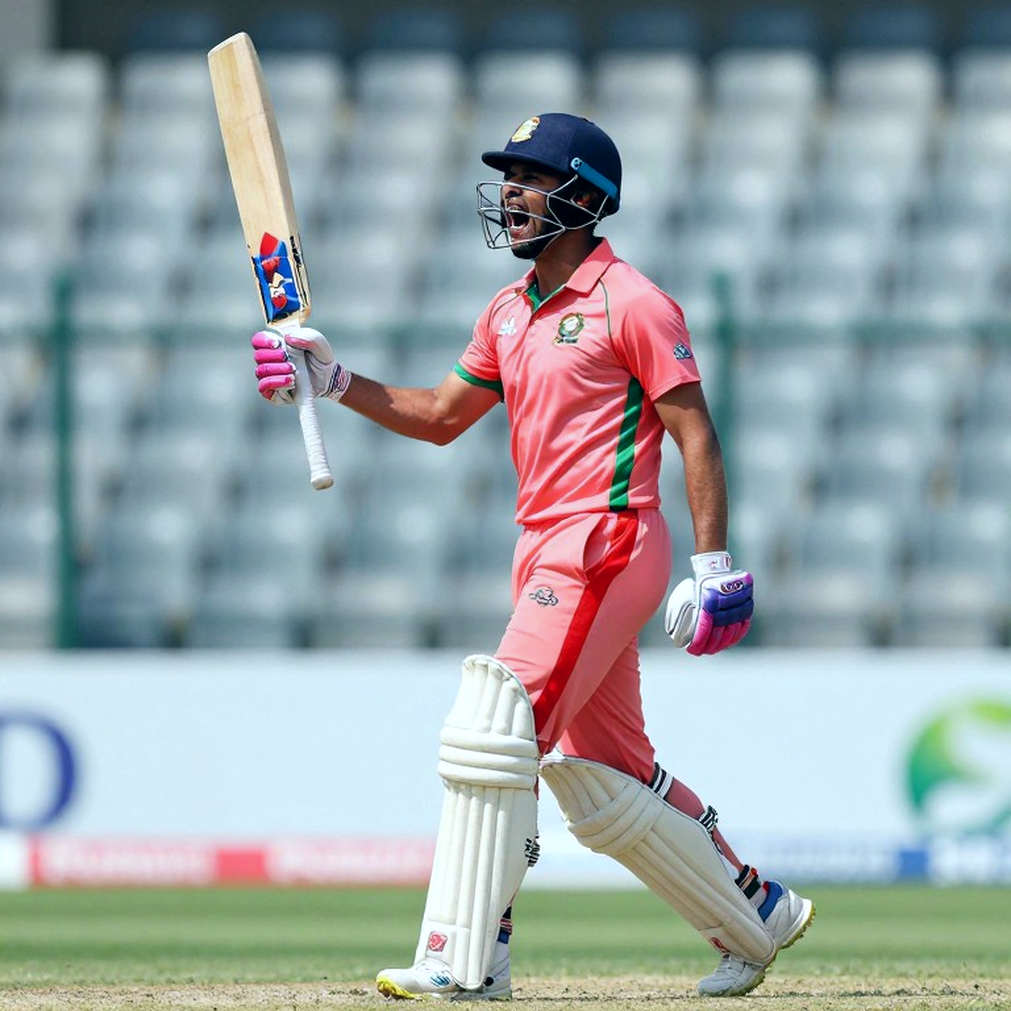
In 2026 the chalkboard learned to speak in algorithms, and I listened. The first rule of that education is that every model claim must pass an on-site evidence check. The on-site evidence here says the most under-priced variable in this series is not the venue — it is the start time.
Abu Dhabi is Afghanistan's operational home ground, and that one sentence flips the balance of power in this series. UAE surfaces are typically dry, abrasive and low-bouncing, with large square boundaries and genuine spin assistance. The ground is used repeatedly across ILT20 and T10, so surfaces arrive tired. The Afghan side has grown up on these surfaces, bowled under these lights, fielded in this dew. Last October's 0-3 is not just a scoreline; it is a certificate of Afghan comfort in that environment. If the preview proceeds by calling the venue neutral, then on conditions-adjusted expectation Afghanistan — not Bangladesh — is the marginal favourite.
A 5:30 start elevates the toss to near-decisive status. In UAE day-night ODIs, dew wets the fielding side's hands in the second innings, the ball skids, the spinner loses grip, batting eases. The implication is clear: Bangladesh's primary middle-overs asset — Miraz plus a wrist-spinner — compresses from two innings into one. And any captain winning the toss in these conditions will field first; that is not speculation, it is the rational choice under UAE conditions. So Bangladesh's spin-based control plan has a standing chance of being halved before a ball is bowled, and almost nobody is pricing it in.
There is one more variable entirely absent from the preview — a Duckworth-Lewis intervention. In the UAE's seasonal weather, a shortened match is not a small probability, and shortened matches favour the side with the stronger death-hitting. In a three-team group, a washout turning a possible two points into one rewrites the final's arithmetic completely.
The tri-series structure puts abnormal weight on Match 1. One round robin, one meeting each. A first-up loss to Zimbabwe very likely means Bangladesh must beat Afghanistan in Afghan conditions simply to qualify — against a side that beat them three times in three matches six months ago. The preview's "cautious from the start" warning is therefore not rhetorical flourish; it is arithmetically correct. But caution and passivity are not the same thing. A slow powerplay against Zimbabwe pushes Bangladesh into exactly the net-run-rate corner from which the final's door opens for Afghanistan.
Now to the player level, where the preview's weakest arguments sit.
The Liton Das question is not a statistics question, it is a denominator question. Six runs in six ODIs across 2026–25, then roughly a year out of the side, then 300 runs in nine matches this year. At first glance the form has returned. Break the arithmetic down: if all nine innings ended in dismissal, the average is 33.3. Modern ODI top-order par is 35–45. He is level, not dominant. And when a "return" is measured from a near-zero baseline, the comeback narrative carries more emotion than number.
The real gap is elsewhere. The source gives no strike rate, no dismissal-mode distribution, no home-away or pace-versus-spin split. A modern ODI No.4 is judged on middle-overs tempo, not accumulation alone. Without a strike rate, the claim that the No.4 puzzle is largely solved is aspiration rather than proof. Six runs in six matches to 300 in nine is, by construction, a high-variance profile: low floor, high ceiling.
And this is where the risk compounds. He has been handed the captaincy at the same moment. Loading leadership onto the least stable element of the batting order does not add risk, it multiplies it. Captaincy means extra meetings, extra field-setting deliberation, and self-doubt mid-innings. Handing administrative weight to a batter whose value is spontaneity is a questionable trade.
The Alis Al Islam selection logic contains a clear conditions-mismatch error. The argument is that left-arm spin is less effective on South Africa's bouncy pitches, so the wrist-spinner goes ahead. But this series is in Abu Dhabi, where dry, low-bounce surfaces with big square boundaries are precisely where a left-arm spinner is most valuable. Building the XI with a 2027 tournament in mind is defensible long-term planning, but it is not the same task as picking the best XI to win this tri-series. The two time axes are different, and the preview has merged them.
The Mustafizur Rahman question is legitimate, but the evidence arrives from the wrong format. Two poor T20 matches at the Asian Games do not settle an ODI place. Judging ODI selection on a small T20 sample is the classic format-mixing error. On dry UAE pitches his cutters and slower balls remain a genuine weapon, and that weapon's value in the ODI middle overs is not small.
Mehidy Hasan Miraz's place is not in doubt, and that is the most reliable point in this XI — because he fills two gaps at once, frontline spinner and runs at seven or eight. One variable is missing from the preview, though: he has been stripped of the captaincy, and that psychological position shapes the aggression of a bowling attack. It is not measurable, but it is not ignorable either.
Bangladesh's top three — Tanjid Hasan, Soumya Sarkar, Nazmul Hossain — are all left-handed. Afghanistan's spin attack is built on wrist-spin, and against a left-hander wrist-spin turns into the batter's body, tilting the advantage toward the bowler. This is not a story about individual weakness; it is a matchup story. While that trio survives the powerplay, the Afghan captain feels no urgency to bring spin on; and once the first wicket falls in the middle overs, Bangladesh's innings tempo is effectively decided.
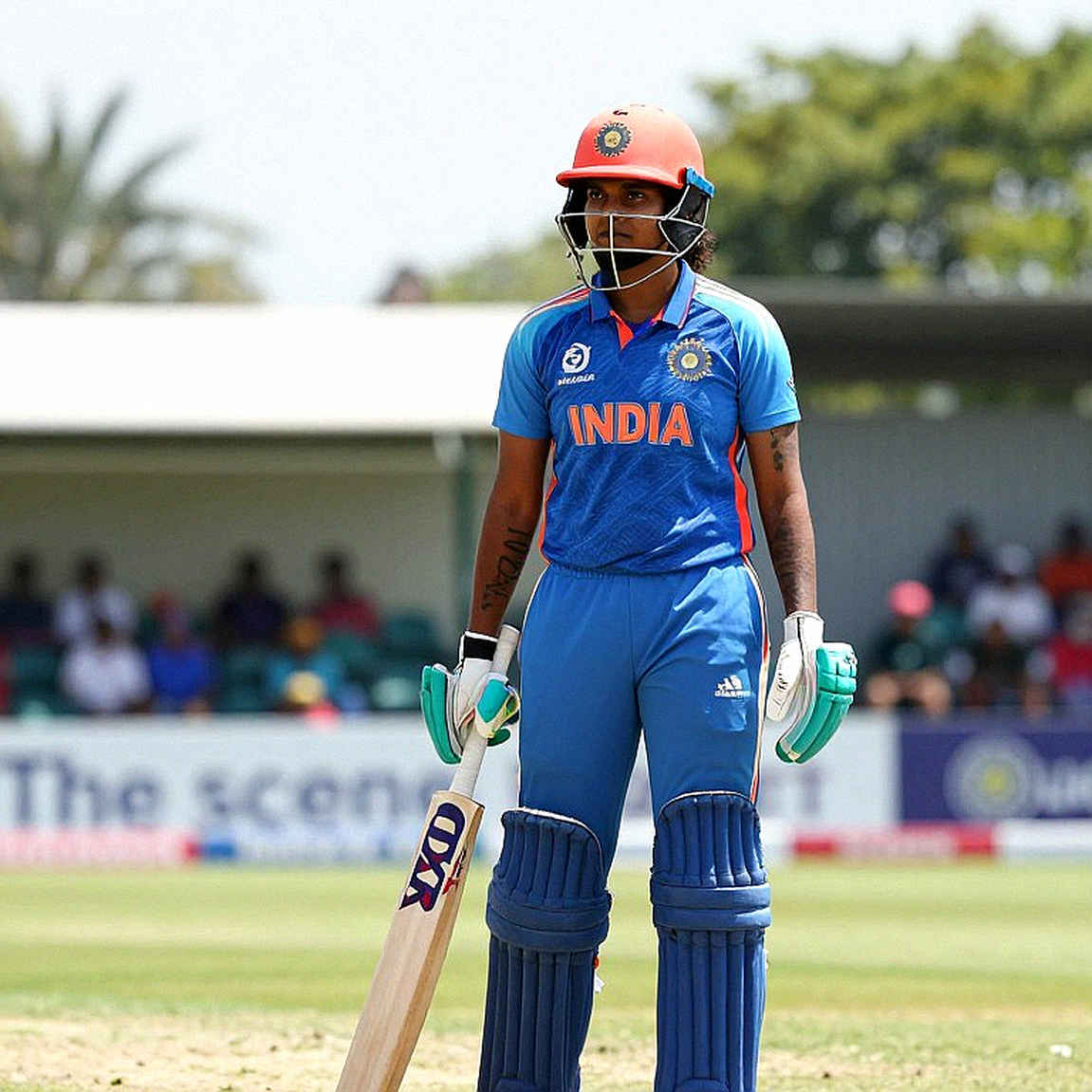
Zimbabwe's threat also needs a caution. Reaching a one-wicket defeat against Australia is a single match — you cannot extrapolate a general threat level from one sample. The side is dangerous, yes; but one dramatic match does not draw the arithmetic of a three-team group. The preview oversells on both sides here: Zimbabwe is not as frightening as portrayed, and Abu Dhabi is not remotely as neutral as portrayed.
Russia taught me that a major tournament is really a weather system — fronts arrive, collapse cycles form, traps get set. This tri-series is a smaller version of the same system: Match 1 is one front, the dew is another, and Afghanistan's home ground is a third. Forecasting matters more here than fixed doctrine.
Now to the point where the conventional reading flips. Bangladesh's death bowling is called a genuine strength in this format — Hasan Mahmud, Shoriful Islam, Taskin Ahmed, with Mustafizur's cutters alongside. On a dry pitch, in dry air, in daylight, that claim holds. But in the second innings of a match starting at 5:30, the ball gets wet. A wet ball cannot be gripped for cutters, slower balls do not land where intended — meaning Bangladesh's death weapon erodes precisely when the match is being decided. The list of strengths and the list of conditions are pulling in opposite directions.
The second flip concerns the preview's caution warning. "Cautious from the start" sounds reasonable, but in a tri-series group, caution and tempo are different things. A slow powerplay against Zimbabwe squeezes Bangladesh on net run rate, and in a three-team group net run rate frequently decides who reaches the final. Caution belongs in the middle overs, not the powerplay. The preview has merged the two.
What I learned in the crowdless stadiums of 2026 applies strangely well here. Without a crowd, every tactical instruction became a public confession. Under dew, the ground is nearly the same — who chose to field first, who held their spin, who lost grip, all of it is public. There is no place to hide strategy in this series; there is only room to prepare.
Predicting the result is not my job. But there are three verification windows, and all three can be marked before a ball is bowled. First, the toss — who takes what, and whether Bangladesh batting first is courage or compulsion. Second, between overs 11 and 25, how much Miraz is turning the ball and how aggressively the fielders can stand. Third, in the second innings, how much the Bangladeshi death bowlers' ball is skidding.
If Bangladesh win this series from outside those three windows, the team has outgrown its conditions. If they lose, the 2026 revival conversation slips back another year — and the question will still be the same: are we so accustomed to calling a venue neutral that we keep missing the variable that actually decides it?