
Bangladesh's XI Against Zimbabwe: Six-Batter Risk on Abu Dhabi's Dry Surface and the Hidden Bowling Dividend
**মূল উত্তর:** আবুধাবিতে জিম্বাবুয়ের বিপক্ষে বাংলাদেশের সম্ভাব্য একাদশে ছয় ব্যাটার ও ছয় Bowling অপশন রয়েছে; তিন পেসার তাসকিন আহমেদ, শরীফুল ইসলাম, মুস্তাফিজুর রহমান এবং দুই স্পিনার আলীস আল ইসলাম ও রিশাদ হোসেন। জুলাইয়ের পর এটি বাংলাদেশের প্রথম ODI। **মূল তথ্য:** - ভেন্যু: শেখ জায়েদ ক্রিকেট Stadium, আবুধাবি; ত্রিদেশীয় সিরিজের প্রথম ম্যাচ। - বাংলাদেশের শেষ ODI ছিল জুলাই ২০২৬-এ; দীর্ঘ বিরতির পর ফেরা। - ওপেনিং জুটি নিশ্চিত নয়: তানজিদ হাসান তামিমের সঙ্গী সৌম্য সরকার বা সাইফ হাসান। - নাহিদ রানা ইনজুরির কারণে এই সিরিজে অনুপলব্ধ। - ৫:৩০ বাংলাদেশ সময় শুরু মানে ডে-নাইট ম্যাচ; সন্ধ্যার ডিউ স্পিনের কার্যকারিতা কমাতে পারে। **সূত্র:** Stage-2 বিশ্লেষণ প্রতিবেদন, ক্রিকেট (ODI) প্রাক-ম্যাচ স্কোয়াড পূর্বরূপ | Cross-checked: cricsultan.com **সম্পর্কিত প্রশ্নোত্তর:** প্রশ্ন: বাংলাদেশের সম্ভাব্য একাদশে কয়জন বিশেষজ্ঞ স্পিনার আছে? উত্তর: দুইজন — আলীস আল ইসলাম ও রিশাদ হোসেন, সঙ্গে মোসাদ্দেক হোসেনের পার্ট-টাইম অফ-স্পিন। প্রশ্ন: বাংলাদেশের একাদশে দুর্বলতা কোথায়? উত্তর: Batting ডেপথ — ছয় নম্বরের পর কোনো বিশেষজ্ঞ ব্যাটার নেই। প্রশ্ন: এই ম্যাচে টস কেন বেশি গুরুত্বপূর্ণ? উত্তর: ডে-নাইট ম্যাচে সন্ধ্যার ডিউ স্পিনের গ্রিপ কমায়, ফলে দ্বিতীয় Inningsে Batting সহজ হয়।
Bangladesh walk out at Sheikh Zayed Cricket Stadium in Abu Dhabi tonight for the opening match of the tri-nation series against Zimbabwe. But the real story here is not the XI — it is Bangladesh's first 50-over match since July. When a side returns to ODI cricket after four months, the question is never 'who is playing'; it is 'how match-fit are they returning'.
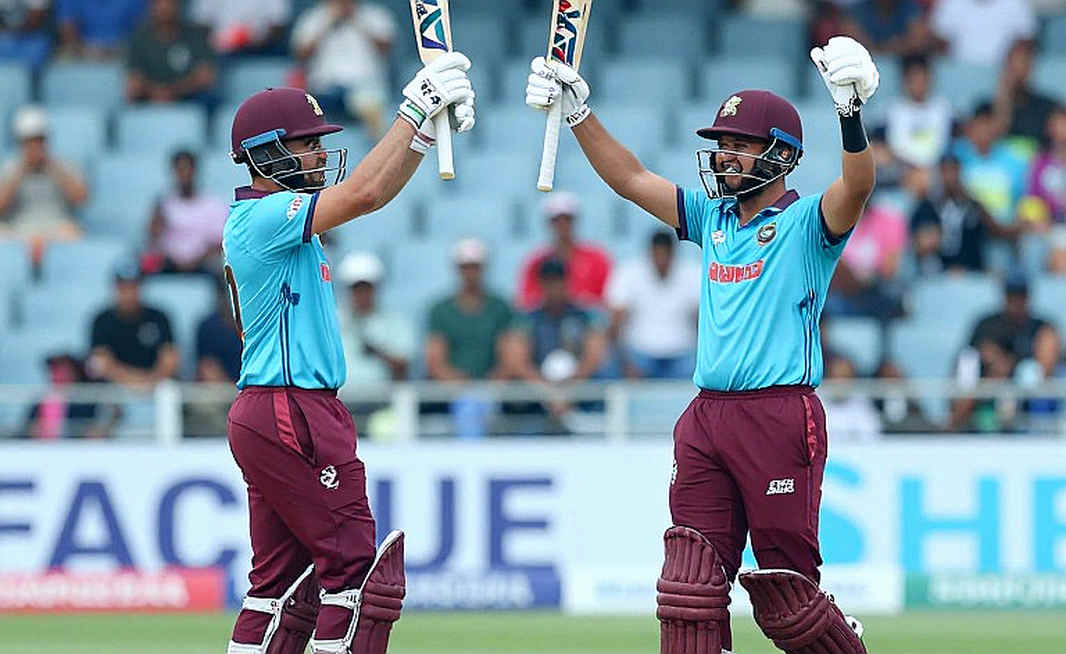
That long layoff has shaped the composition more than any selection debate. Throwaway practice does not build it; the habit of constructing a 30-over innings under pressure does, and so does bowling a full ten-over spell to a plan — two of ODI cricket's most demanding requirements, and two of the ones that decay fastest during a long break. Against that backdrop, the XI ahead of Bangladesh splits into two halves: the bowling logic is clear, the batting logic is not.
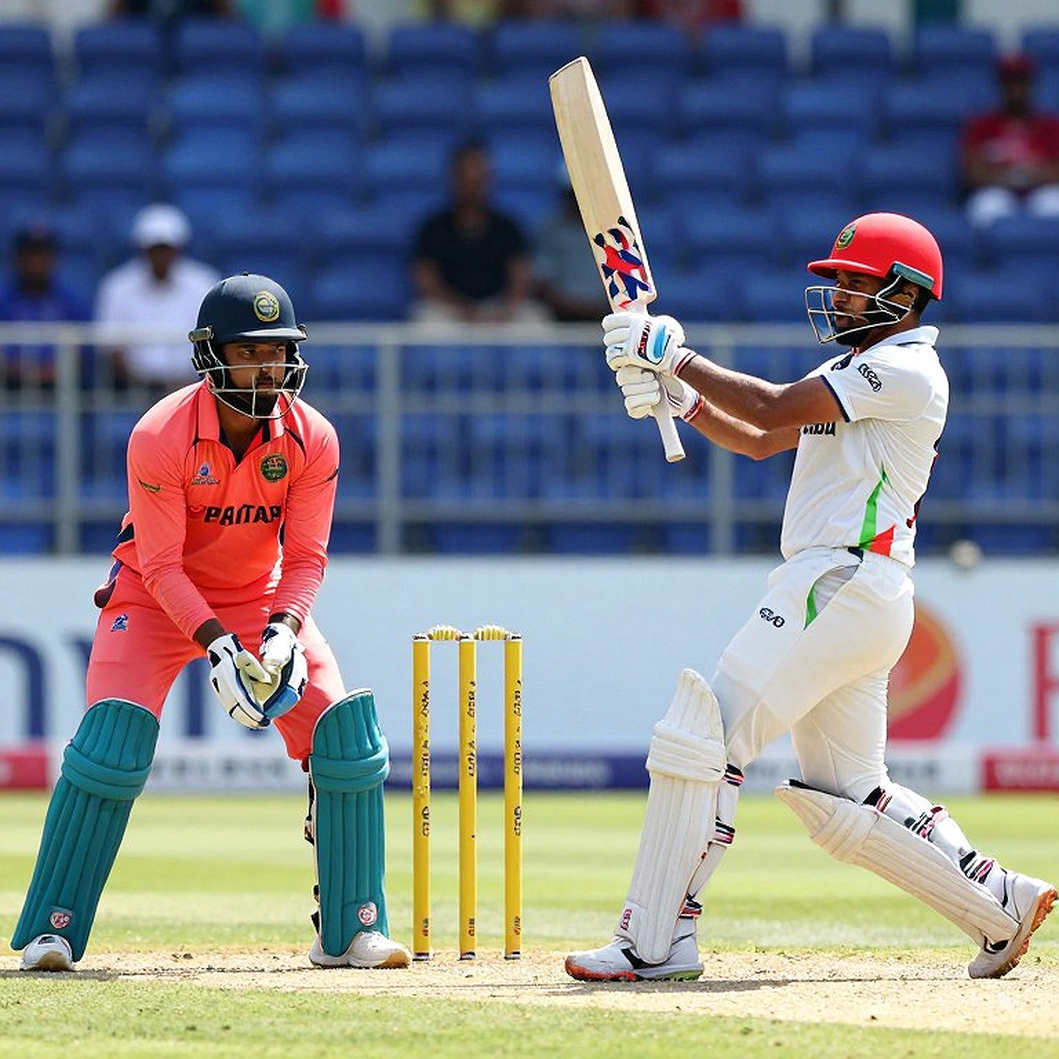
The bowling picture is tidy. Three seamers — Taskin Ahmed, Shariful Islam, Mustafizur Rahman. Two frontline spinners — Alis Al Islam and Rishad Hossain. Plus Mosaddek Hossain's part-time off-spin. Six bowling options, 60 overs of cover. On Abu Dhabi's dry, low-bounce surface, where the ball grips and cutters bite, that combination fits almost perfectly. Large boundaries favour hard running over six-hitting, and six bowlers mean the captain always has a card to play.
But the richness of the bowling attack is paid for out of the batting depth. After No. 6 there is no specialist batter in this XI: Mosaddek at six, Alis at seven, and then Rishad, Taskin, Shariful and Mustafizur from eight to eleven. That means a top-order collapse has no firewall. This composition works only when the top four consume three hundred balls and lay a platform. If Zimbabwe's seam-and-swing attack bites early, the long tail becomes dangerous on the very first night.
Tanzid Hasan Tamim is, oddly, both the batter whose form is questioned and the only one the selection notes tag with positive form. Normally that anchoring role belongs to the side's most experienced batter; here it falls on a young, aggressive opener. If the responsibility of anchoring the top order lands on his shoulders, the natural shape of his game could change — the question is whether that is a conscious management choice or a forced one.
The unresolved opening partner matters more. The choice between Soumya Sarkar and Saif Hasan appears undecided. In ODI cricket a settled opening pair is the strongest predictor of middle-over stability — yet here the leadership comes from doubt. Soumya brings explosion and risk; Saif brings control and a slower rate. Both are legitimate, but the word 'or' tells you the side is entering a post-July series cycle with a call still hanging.
Mustafizur Rahman is the highest-variance pick. Two independent negative signals — general form and an ineffective Asian Games — yet he is in the XI with no counter-argument. On a slow Abu Dhabi surface his cutter method fits theoretically; if it does not work, this XI has no like-for-like replacement. Hasan Mahmud's name has come up, but the discussion stops there. That is an unresolved internal contradiction.
Nazmul Hossain Shanto returned from illness through a Test. That is a fitness signal, not just a selection one. A batter returning after illness through red-ball cricket has a documented pattern of slow starts in the following white-ball games; combined with the ODI layoff, Bangladesh's No. 3 carries both rust and positional pressure.
One factor is routinely buried. A 5:30 pm Bangladesh start means roughly 3:30 pm locally — a day-night match. Evening dew in Abu Dhabi typically reduces spin grip and makes second-innings batting easier. Yet the entire XI is designed around two spinners. That makes this a first-innings weapon that may blunt after the interval. The toss matters more than usual here — the least-discussed, most-underestimated risk.
There is a bigger story in the absences. No Shakib Al Hasan, Mushfiqur Rahim or Mahmudullah. Whether they are rested, unavailable, retired or omitted is unclear. But the shape of the XI — a young top order (Tanzid, Hridoy, Saif) around a mid-career core (Shanto, Litton, Mustafizur) — paints a generational handover. The selection did not announce it; the XI tells you.
There is one factual oddity. Shanto is described as returning, yet Litton Das is listed as captain. Either Bangladesh is rotating ODI captaincy, or the XI listing carries an error. That point needs checking before any conclusion.
All told, this is a low-stakes match with unusually high selection-signal value. A tri-nation opener, neutral venue, immediately after a format layoff — exactly the fixture boards use to test a post-transition XI. The composition suggests Bangladesh is doing exactly that.
The final question is simple; the answer is not: is this XI built to win one match, or built for the next World Cup cycle? If dew lands in the second innings, the six-batter structure becomes the largest risk of all — and that risk will be visible tonight, without waiting for theory.